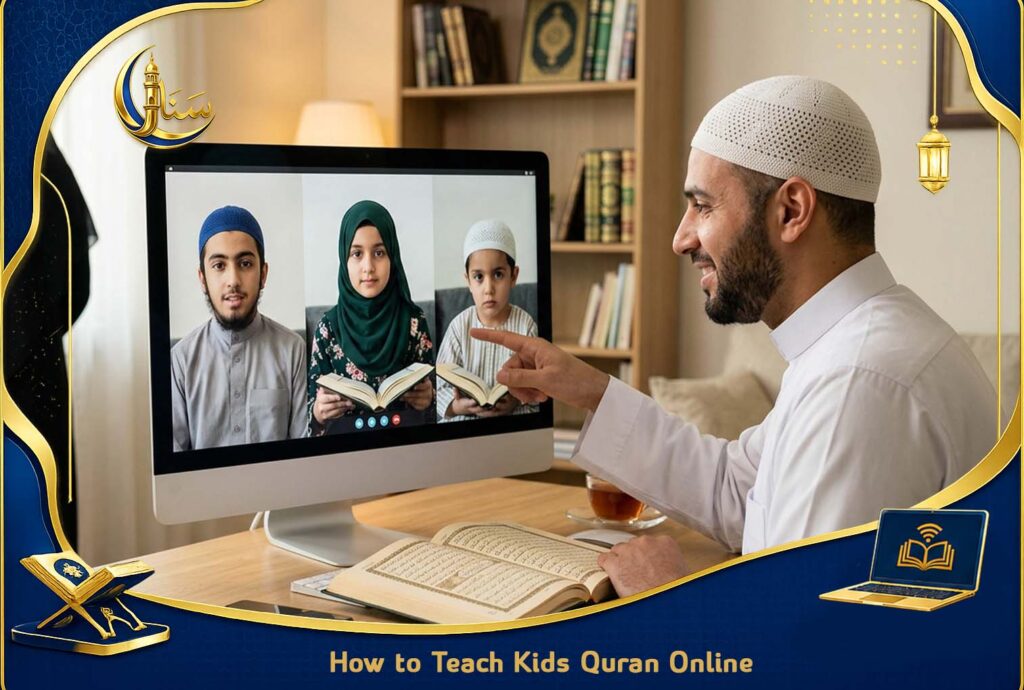
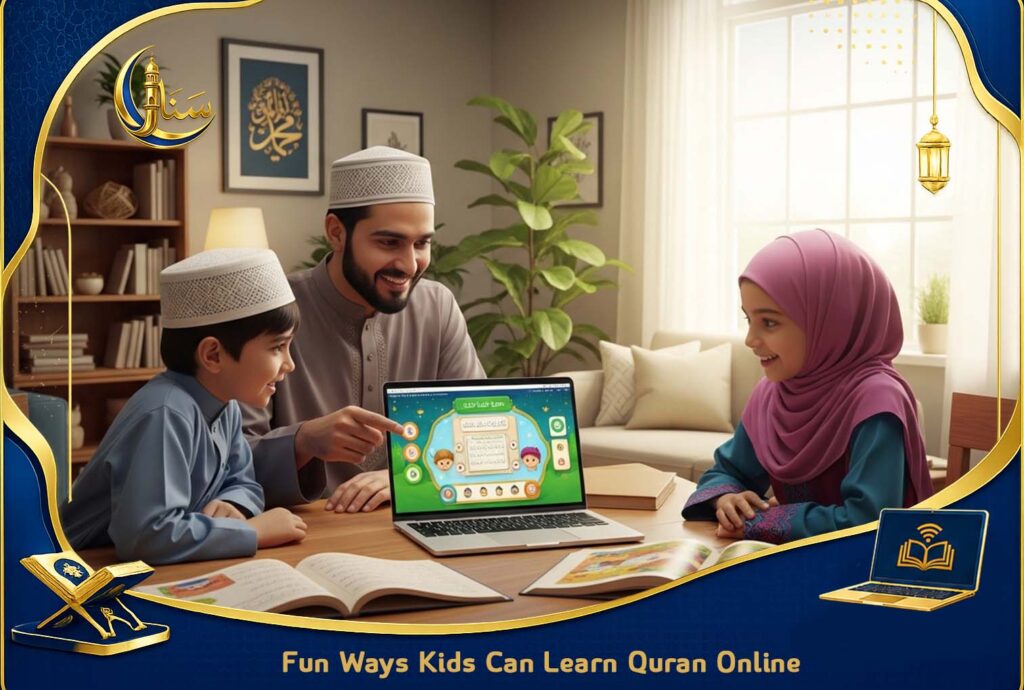
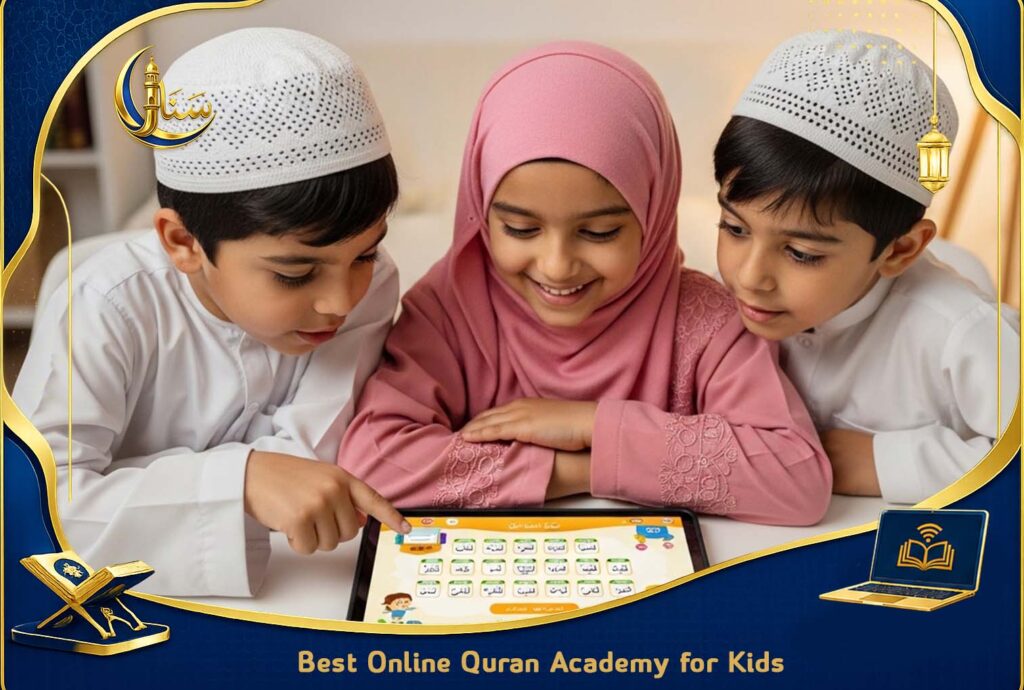
Online Noorani Qaida for kids offered by Sana Online Quran Academy is one of the most effective ways for parents to introduce Quran reading in a simple and structured way.
In early childhood, especially between ages 3 and 6, children learn faster because their brains easily absorb sounds and patterns. Therefore, this stage is ideal for starting Noorani Qaida as the first step toward Quran fluency.
This guide focuses on teaching methods for young children specifically, short attention spans, repetition, and keeping lessons fun. For a breakdown of the course stages themselves, see our qaida noorania course guide.
Moreover, many parents choose Sana Online Quran Academy because it provides interactive lessons that combine learning with fun. As a result, children stay engaged and motivated throughout their learning journey.
Why is Noorani Qaida the First Step in Quran Learning?
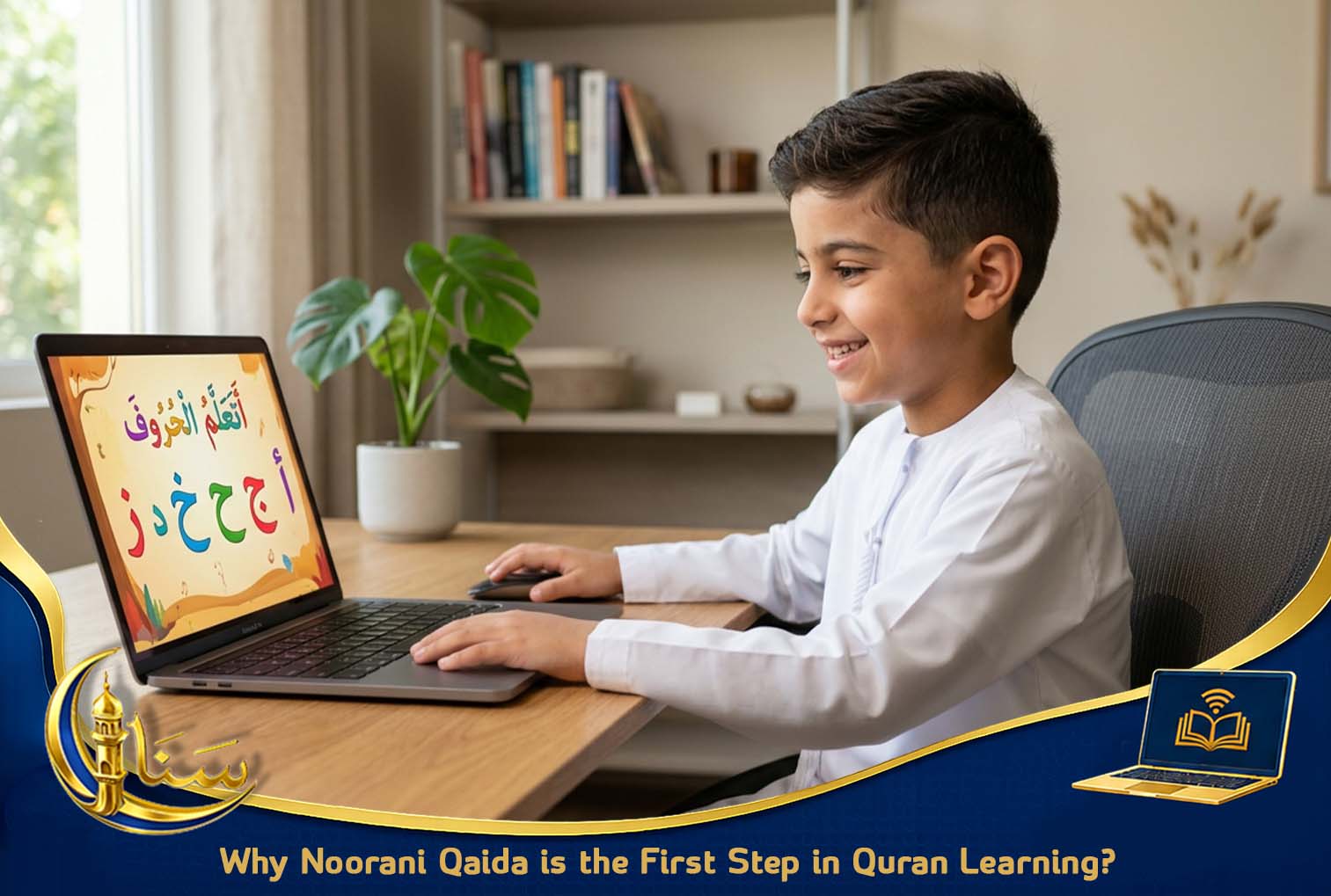
Noorani Qaida is not just a beginner’s booklet—it is the foundation of proper Quranic reading, especially in online Noorani Qaida for kids, where children are guided step by step to learn Arabic letters, pronunciation, and word formation in a simple and structured way.
Moreover, online Noorani Qaida for kids helps children understand how letters are written, pronounced, and connected, and therefore it builds a strong base for correct Quran reading with Tajweed in the future. It also introduces essential pronunciation rules easily and gradually.
In addition, online Noorani Qaida for kids is designed to make learning stress-free, because direct Quran reading can be difficult for beginners, while Noorani Qaida breaks learning into small and clear stages.
Furthermore, children start with letter recognition, then move to short vowel sounds, and finally progress to simple words and Quranic verses, and therefore, this step-by-step system ensures confidence, clarity, and continuous improvement without pressure.
Start Your Quran Learning Journey Today with Sana Online Quran Academy
Start your Quran learning journey today with Sana Online Quran Academy, where structured and easy-to-follow programs are designed for both children and adults to make learning simple, clear, and effective. Lessons are delivered step by step by qualified teachers who focus on building strong reading skills, correct pronunciation, basic Tajweed rules, and steady improvement through clear explanations and patient guidance.
In addition, students can learn comfortably from home with flexible schedules that fit different daily routines. Moreover, regular practice, continuous revision, and consistent teacher feedback help learners improve gradually and build confidence. As a result, the learning process becomes more organized, engaging, and effective for long-term Quran understanding and recitation.

The Importance of Starting Online Noorani Qaida for Kids at an Early Age
Early childhood is a critical period for language acquisition. At this stage, children are naturally curious and absorb sounds quickly without much effort. That is why starting Quranic reading between the ages of 3 and 6 can be highly effective. At this age:
- Children learn through repetition and imitation
- They respond strongly to visuals and sounds
- Short attention spans require interactive methods
- Learning must feel like play, not pressure
Parents who introduce structured Quran learning early often notice stronger pronunciation skills and better retention later in life.
Platforms like Sana Online Quran Academy have recognized this need and developed specialized programs designed specifically for young learners. These programs focus on gradual learning rather than memorization pressure.
How Online Noorani Qaida Classes Make Learning Easier for Kids?
Modern technology has changed how children learn. Therefore, Noorani Qaida classes are now a simple and effective method for kids. It offers flexibility, comfort, and better support for early Quran learning.
Flexible Online Noorani Qaida Learning Schedule for Better Focus
First of all, online learning offers flexible timing. Consequently, children can study when they feel active and ready. This improves focus and learning results.
One-on-One Attention for Faster Understanding
Moreover, one-on-one classes help children learn faster. The teacher gives full attention to the child. Therefore, pronunciation and reading improve more quickly and accurately.
Visual and Audio Support in Online Noorani Qaida for Kids
In addition, visual and audio tools make learning easier. Children see letters and hear sounds clearly. As a result, they remember lessons faster and with less effort.
Comfortable Home Environment for Kids
Furthermore, learning from home creates a safe space. Children feel relaxed and confident. Therefore, they focus better and enjoy their learning without pressure.
Why Online Noorani Qaida Learning is More Effective
Overall, online learning combines comfort, focus, and interaction. Consequently, children learn Noorani Qaida step by step simply and effectively.
Creating a Child-Friendly Environment for Online Noorani Qaida Learning
One of the most important factors in teaching young children is the learning environment, and therefore, it plays a major role in success because even the best curriculum will not be effective if the child is not comfortable, engaged, and motivated during the learning process.
Use Visual Learning Tools
First, visual learning tools should always be used, and consequently, bright colors, animated letters, and interactive charts help children recognize Arabic letters more easily, while also improving attention, focus, and long-term memory retention simply and naturally.
Incorporate Storytelling
Moreover, storytelling is a powerful teaching method, and therefore, when letters and sounds are connected to short and simple stories, children become more interested, and consequently, learning becomes easier to remember, more enjoyable, and emotionally engaging for young learners.
Add Games and Activities
In addition to that, learning should feel like play, and therefore games and activities such as matching exercises, letter puzzles, and sound repetition games make lessons more interactive, while also increasing participation, motivation, and enjoyment during each learning session.
Keep Sessions Short
Furthermore, it is very important to keep sessions short, and consequently, for children aged 3–6, limited attention spans require short and focused lessons, which are more effective than long lectures and help maintain concentration without causing fatigue or boredom.
Supportive Structured Programs
Finally, these methods are widely used in structured learning environments, and therefore, programs like those offered by Sana Online Quran Academy apply these techniques to ensure that learning feels natural, enjoyable, and child-friendly rather than forced or stressful for young students.
Step-by-Step Learning Approach for Kids
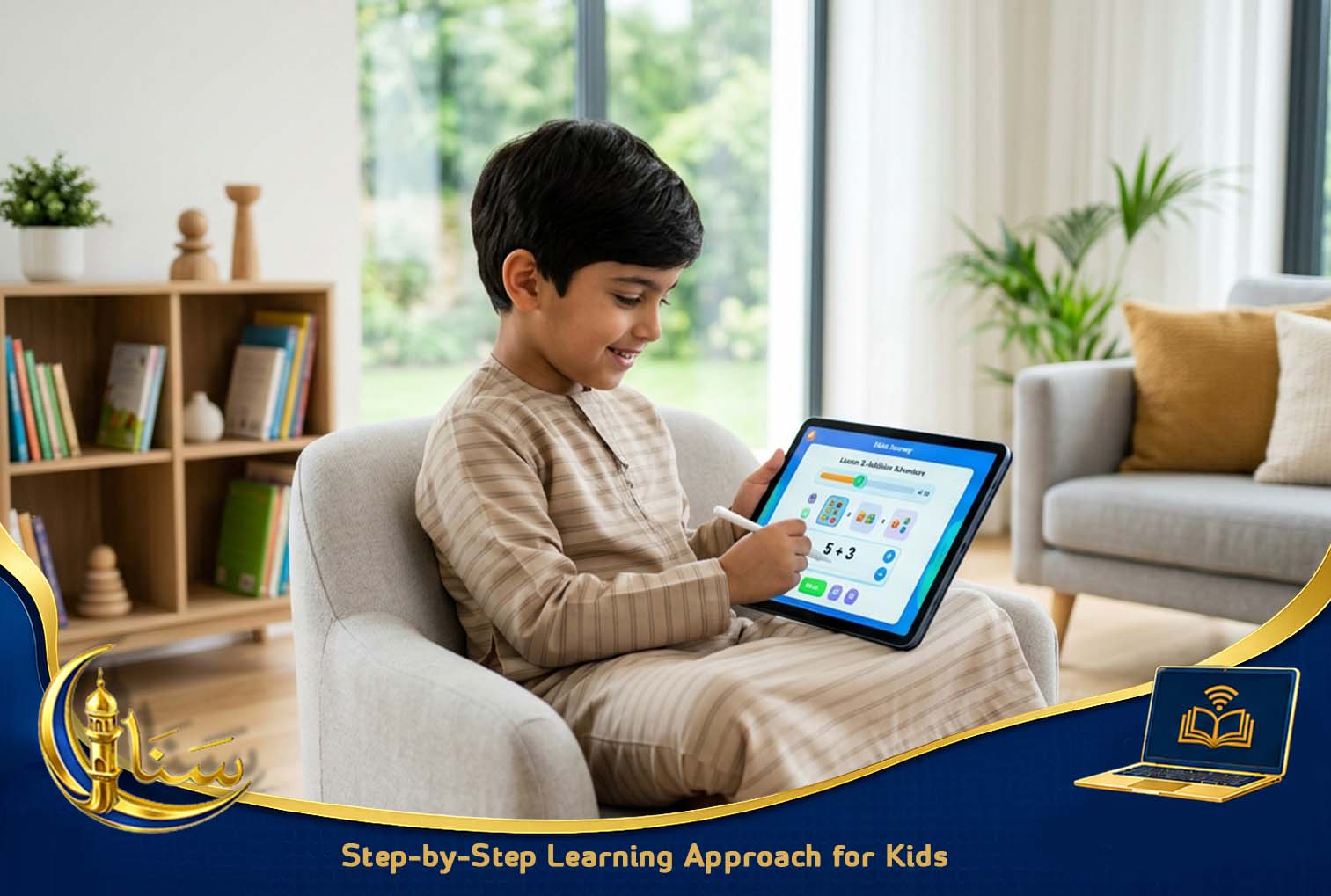
A successful Noorani Qaida program should always follow a gradual and well-structured learning path, and therefore, it is designed to build strong reading skills step by step while ensuring confidence, clarity, and steady Quran Reading Tips for Beginners progress for children.
Step 1: Arabic Alphabet Recognition
First, children begin with Arabic alphabet recognition, and consequently, they learn to identify each letter visually and verbally, while repetition and visual support help them build a strong reading foundation from the start.
Step 2: Pronunciation Practice
Moreover, after that, children move to pronunciation practice, and therefore each letter is trained with correct articulation, while guided listening and repetition improve pronunciation accuracy and speech clarity gradually.
Step 3: Short Vowel Sounds
In addition, children learn short vowel sounds such as Fatha, Kasra, and Damma, and consequently, they understand how pronunciation changes, which makes reading easier, clearer, and more structured for beginners.
Step 4: Letter Combinations
Furthermore, letter combinations are introduced, and therefore, children begin forming syllables and simple words, while continuous practice improves fluency, confidence, and understanding of Arabic reading patterns.
Step 5: Reading Simple Quranic Words
Finally, children progress to reading simple Quranic words, and thus they apply all previous rules together, which strengthens fluency, accuracy, and prepares them for reading Quran verses with confidence.
Overall, this structured approach ensures children learn step by step, while also gaining confidence, improving gradually, and building a strong foundation for lifelong Quran learning.
Why is Interactive Online Noorani Qaida Teaching More Effective for Kids?
Traditional rote learning is not suitable for very young children. Instead, interactive teaching methods help maintain interest and improve retention. Interactive learning includes:
- Asking children to repeat sounds aloud
- Using flashcards for letter recognition
- Reward-based learning systems
- Visual storytelling techniques
- Short quizzes and playful repetition
These methods transform learning into an enjoyable experience, helping children stay engaged for longer periods. Parents often report better progress when using structured platforms like Sana Online Quran Academy, which integrates interactive learning into every lesson.
Role of Parents in the Learning Process
Parents play a crucial role in supporting their child’s Quran learning journey. Even with professional teachers, home support is essential. Parents can help by:
- Encouraging daily practice
- Sitting with the child during lessons
- Praising small achievements
- Avoiding pressure or comparison
- Creating a peaceful study space at home
When parents show enthusiasm and consistent support, children naturally develop a positive attitude toward learning and become more motivated, confident, and engaged.
Overcoming Common Challenges in Early Learning
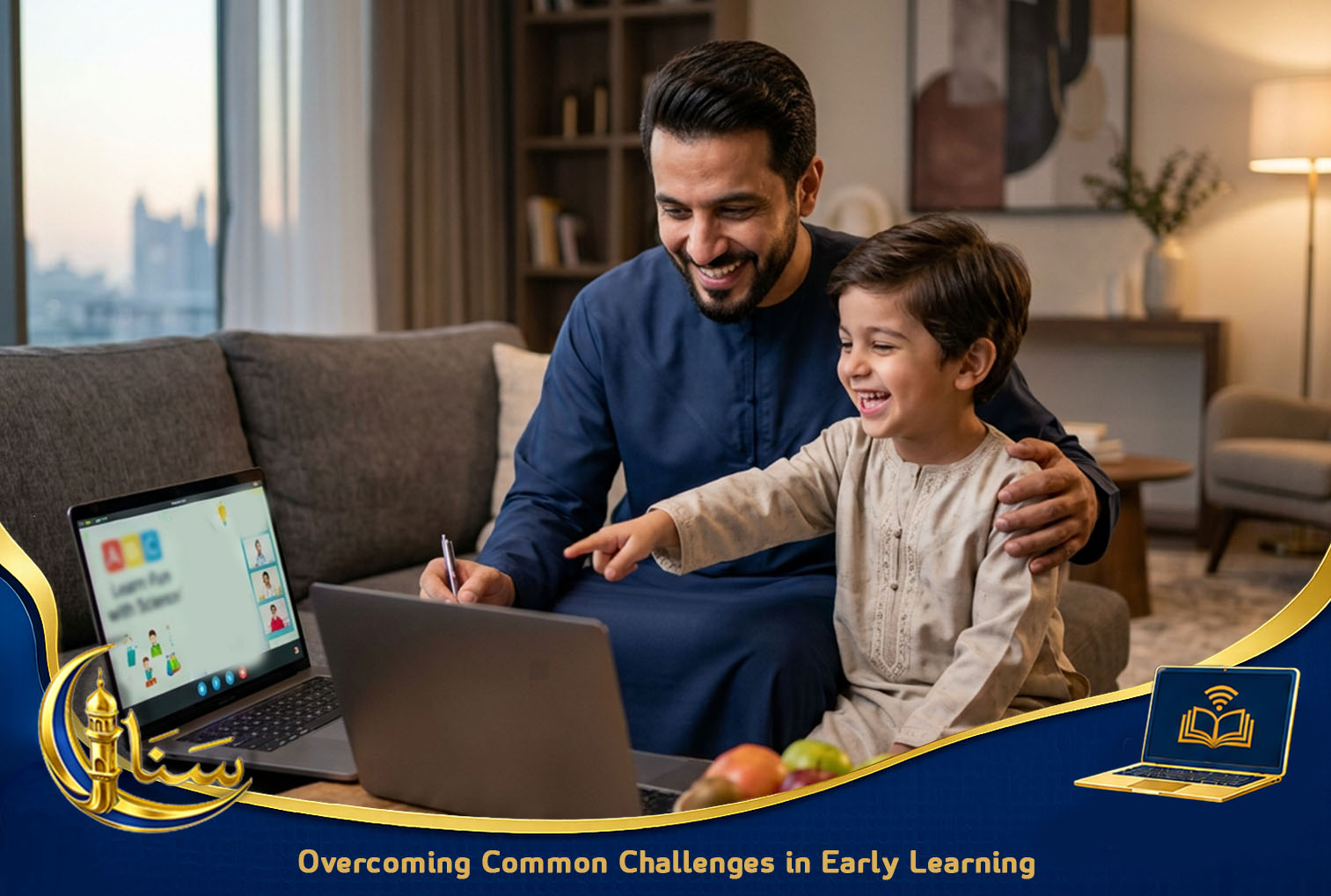
Teaching young children is not always easy. Some common challenges include a lack of focus, distraction, or difficulty in pronunciation. To overcome these challenges:
- Keep sessions short and consistent
- Use repetition instead of explanation overload
- Turn mistakes into learning opportunities
- Use visual cues for difficult sounds
- Maintain a calm and patient attitude
With time and consistency, children gradually improve without stress. Structured programs such as those at Sana Online Quran Academy are designed to handle these challenges by using age-appropriate teaching strategies.
Building a Strong Foundation Through Online Noorani Qaida for Kids
The goal of teaching Noorani Qaida is not just short-term learning—it is to build a lifelong connection with the Quran. When children learn correctly at an early stage:
- They develop accurate pronunciation
- They gain confidence in reading Arabic
- They form a natural habit of Quran recitation
- They progress faster in advanced Tajweed studies
A strong foundation at this stage saves time and effort in the future learning journey. This is why many parents choose structured online programs instead of informal teaching methods.
The Growing Importance of Structured Online Noorani Qaida Learning
In today’s digital age, education has become more accessible than ever before. Parents no longer need to depend solely on the local availability of teachers or centers. Online learning platforms have made it possible for children to learn Arabic qaida from qualified teachers regardless of location. A well-designed online system ensures:
- Consistent curriculum
- Qualified instructors
- Regular progress tracking
- Child-friendly teaching methods
Among these options, Sana Online Quran Academy stands out for its focus on young learners and its ability to make Quran learning both structured and enjoyable.
A Step-by-Step Approach to Quran Fluency
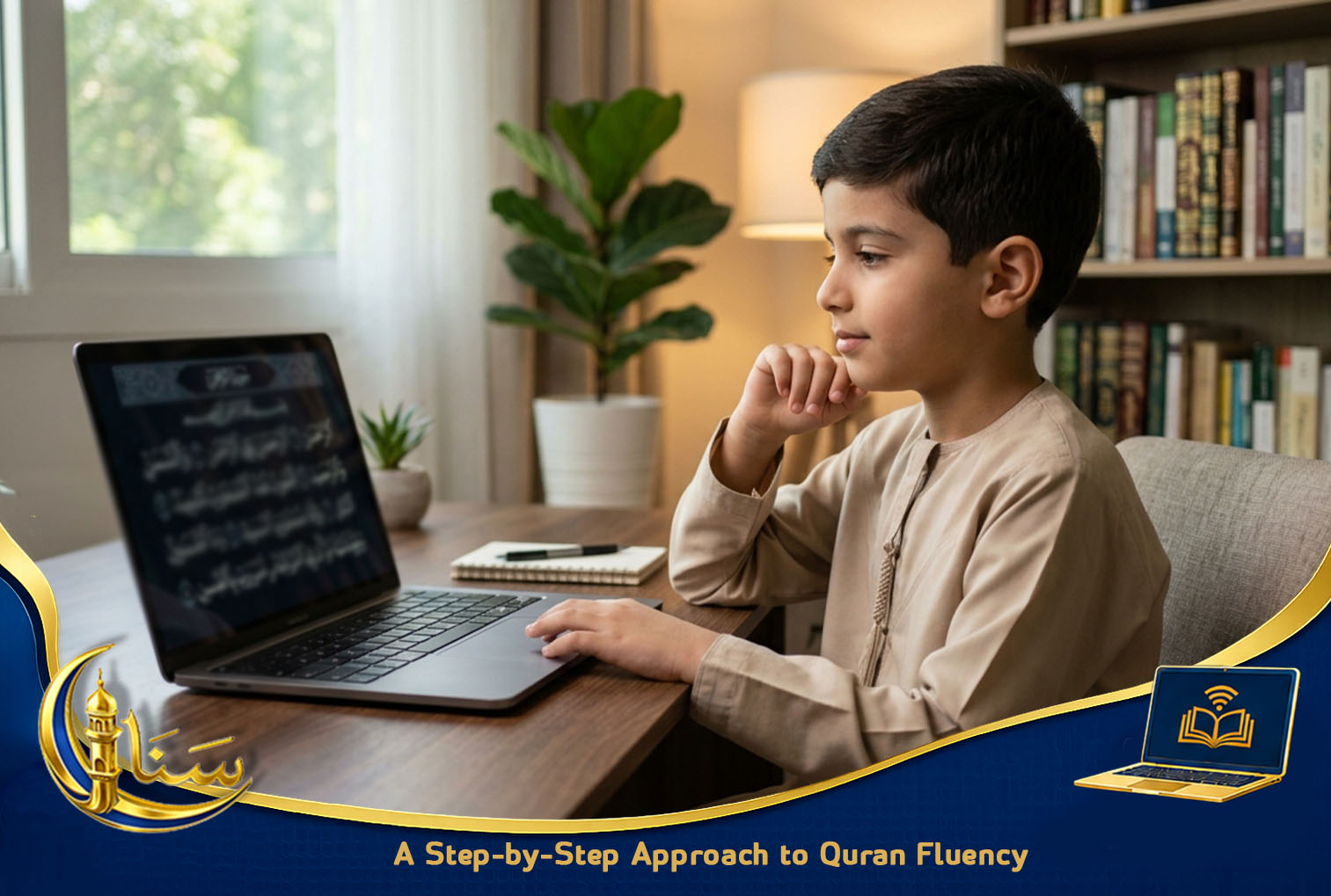
As children progress through the Noorani Qaida tutor, they naturally move toward reading full Quranic verses. Therefore, this stage should always be smooth, calm, and encouraging to help them feel confident without pressure.
The main goal is accuracy, not speed. In fact, children learn arabic alphabets better when they take their time and focus on correct pronunciation. Moreover, when they feel supported, they improve gradually and naturally over time.
At this stage, repetition plays a key role. In addition, listening carefully to the teacher helps children correct mistakes early. Furthermore, guided correction ensures steady progress and builds strong reading habits.
Overall, this gentle approach helps children develop Quranic fluency simply and comfortably while maintaining motivation and confidence throughout their learning journey.
Frequently Asked Questions (FAQ)
It provides quick and clear answers to the most frequently asked questions to help users understand the service or topic easily and without complexity.
1. What is the best age to start learning Noorani Qaida online?
The ideal age is between 3 and 6 years, when children are most receptive to sounds and language patterns, making early learning more effective.
2. How long should each online session be for young children?
Sessions should typically last between 20 and 30 minutes to maintain focus without overwhelming the child.
3. Can a child learn Noorani Qaida without prior Arabic knowledge?
Yes, Noorani Qaida is designed for complete beginners and starts from the very basics, so no prior Arabic knowledge is required.
In conclusion, learning Noorani Qaida is the first and most important step toward reading the Quran correctly and confidently. Therefore, children should always be guided with patience, care, and a simple step-by-step approach that matches their age and understanding.
Moreover, when learning is gentle and encouraging, children feel more motivated and less pressured. As a result, they develop stronger reading skills and a deeper emotional connection with the Quran over time.
In addition, consistent practice, repetition, and proper guidance play a key role in success. Therefore, parents and teachers should focus on steady progress rather than speed.
Ultimately, a supportive learning environment helps children build confidence and fluency naturally, and consequently, it lays a strong foundation for lifelong Quran learning and understanding.