Teach islam to kids is an important responsibility for Muslim parents who want to raise children with strong faith, excellent manners, and a meaningful connection with Allah. Nowadays, children are surrounded by different cultures, ideas, and influences. Therefore, giving them a strong Islamic foundation from an early age has become more important than ever.
However, teaching Islam to children is not limited to memorizing Quran verses or learning religious rules. Instead, it is about creating a positive environment where children understand the beauty of Islam, develop good character, and apply Islamic teachings in their daily lives.
Many parents wonder how they can teach their children about Islam effectively, especially when they feel they need more knowledge or suitable learning resources. Fortunately, Islamic education can begin with simple steps, consistent habits, and loving guidance. Moreover, children usually learn better when they see faith practiced through kindness, patience, and positive actions.
At Sana Online Quran Academy, children receive structured Islamic education that helps them learn Quran, Islamic manners, and essential religious concepts engagingly. In addition, the academy focuses on creating a comfortable learning experience that helps children build a lifelong relationship with their faith.
Why Is It Important to Teach Islam to Kids From an Early Age?
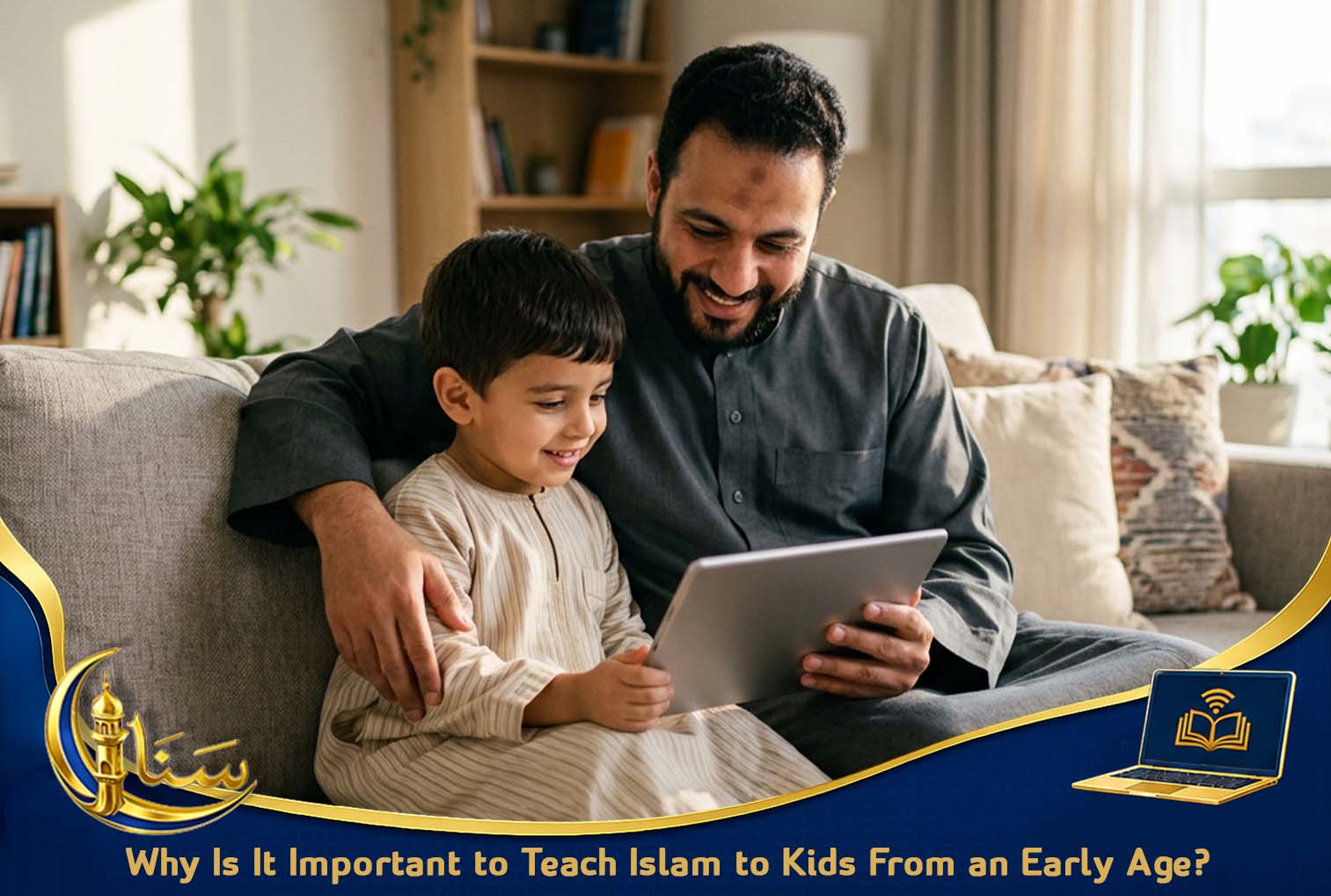
The early years of childhood provide an excellent opportunity to build a child’s identity, beliefs, and understanding of right and wrong. Children naturally observe and imitate their parents, teachers, and surroundings.
As a result, the way Islam is introduced during childhood can influence how they view their faith in the future. When parents teach Islam to kids from an early age, they help their children develop:
- A strong relationship with Allah.
- Understanding of Islamic values and manners.
- Confidence in their Muslim identity.
- Respect and kindness toward others.
- The ability to make choices based on Islamic principles.
Moreover, Islamic education should never feel like a punishment or a difficult responsibility. Instead, children should experience Islam as a source of peace, guidance, and happiness. For example, when children learn through stories, activities, and real-life examples, they begin to understand that Islam affects every part of their lives.
Therefore, parents should focus on making Islamic learning enjoyable, meaningful, and suitable for their child’s age.
Start Your Quran Learning Journey Today with Sana Online Quran Academy
Start your Quran learning journey today with Sana Online Quran Academy, where structured and simple programs are designed for both children and adults. In fact, lessons are delivered step by step by qualified teachers who focus on reading skills, basic Tajweed, and gradual improvement with clear explanations.
In addition, you can study from home with flexible schedules that fit your daily routine. Moreover, regular practice and feedback help you improve steadily. As a result, learning becomes easier, more consistent, and effective.

How Parents Can Teach Islam to Kids Through Daily Life?
Parents are the first and most influential teachers in a child’s life. Before children join schools or online Islamic school programs, they learn from what they see at home. Therefore, parents play a major role in helping children understand Islamic values.
A child who watches parents pray, read the Quran, show patience, and treat others with kindness naturally begins to recognize the beauty of Islamic character.
Allah says:
“O you who have believed, protect yourselves and your families from a Fire whose fuel is people and stones.”
(Surah At-Tahrim 66:6)
This verse highlights the responsibility of protecting and guiding families through faith and righteous actions.
However, parents do not need to be Islamic scholars to start teaching their children. Instead, they can begin with simple lessons such as:
- Teaching children to say Bismillah before daily activities.
- Helping them memorize short duas.
- Explaining the importance of honesty and kindness.
- Sharing stories of the Prophets.
- Encouraging respectful behavior.
Furthermore, the strongest lesson parents can provide is becoming a practical example of Islamic manners.
How to Teach Islam to Kids Through Love and Positive Experiences?
One of the most effective ways to teach Islam to kids is by creating positive experiences that help children love their religion. Unfortunately, some parents unintentionally present Islamic studies for kids courses as a list of rules or punishments. However, children respond much better when they experience Islam through kindness, encouragement, and compassion.
Instead of focusing only on what children should not do, explain the wisdom behind Islamic teachings. For example, tell them that Allah loves those who are honest, patient, and generous. As a result, they begin to understand that Islam is a complete way of life built on mercy and goodness.
Moreover, parents should celebrate small achievements, such as memorizing a short surah or remembering a daily dua. Positive encouragement builds confidence and motivates children to continue learning. When you teach Islam to kids, help them discover:
- The mercy and love of Allah.
- The beauty of reading the Quran.
- The importance of kindness toward family and friends.
- The rewards of helping people in need.
- The joy of worshiping Allah sincerely.
For instance, instead of telling your child to pray simply because it is obligatory, explain that Salah is a special opportunity to speak to Allah and seek His guidance. Likewise, when teaching charity, explain that sharing with others brings happiness to both the giver and the receiver. Therefore, children gradually develop a sincere love for Islam rather than practicing it out of fear.
Teach Islam to Kids Step by Step According to Their Age
Every child learns differently. Therefore, parents should introduce Islamic knowledge according to their child’s age and level of understanding. A gradual approach makes learning enjoyable and prevents children from feeling overwhelmed.
Furthermore, teaching age-appropriate lessons allows children to build strong Islamic foundations that continue growing throughout their lives.
Teach Islam to Kids Ages 3–5
During these early years, children learn mainly through observation, repetition, and daily routines. Consequently, parents should focus on creating positive habits instead of giving long explanations. Children at this age can begin learning:
- Saying Bismillah before eating.
- Saying Alhamdulillah after finishing meals.
- Listening to Quran recitation.
- Learning very short duas.
- Watching parents perform Salah.
- Recognizing that Allah created everything around them.
Additionally, parents can use songs, picture books, and simple Islamic games to make learning enjoyable.
Teach Islam to Kids Ages 6–9
As children grow older, they become more curious and begin asking meaningful questions. Therefore, this stage is ideal for introducing basic Islamic knowledge in greater detail. Parents can teach:
- Stories of the Prophets.
- Short Quran surahs with simple meanings.
- The Five Pillars of Islam.
- Basic Islamic manners (Adab).
- The importance of honesty and kindness.
- Daily duas and their meanings.
Moreover, storytelling remains one of the most effective teaching methods because children naturally remember lessons connected to interesting stories.
For example, the story of Prophet Ibrahim teaches trust in Allah, while the story of Prophet Yusuf teaches patience and forgiveness.
Teach Islam to Kids Ages 10–12
At this stage, children begin thinking more independently. Consequently, they need discussions rather than simple instructions. Parents should focus on helping children understand:
- Why do Muslims worship Allah?
- The wisdom behind Islamic rules.
- Building a personal relationship with the Quran.
- Islamic history and great Muslim role models.
- Personal responsibility and accountability.
Furthermore, encourage children to ask questions without fear. Open conversations help them build confidence and strengthen their faith.
Teach Islam to Teenagers
Teenagers face many challenges related to identity, friendships, and social media. Therefore, Islamic education should address real-life situations rather than only theoretical topics.
Parents should discuss:
- Building a strong Muslim identity.
- Respecting others while following Islamic values.
- Making responsible decisions.
- Managing peer pressure.
- Maintaining good character online and offline.
Additionally, teenagers benefit from meaningful discussions more than lectures. Listening to their concerns helps parents guide them with wisdom and compassion.
Teach Islam to Kids by Learning the Five Pillars
One of the best ways to teach Islam to kids is by introducing the Five Pillars of Islam in a simple and practical way. These pillars help children understand the foundation of Muslim life while developing habits that remain with them as they grow.
Rather than asking children to memorize information only, parents should explain how each pillar influences everyday life.For example:
- Shahada teaches children to believe in Allah alone.
- Salah strengthens their relationship with Allah every day.
- Zakat teaches generosity and compassion.
- Sawm develops patience and gratitude.
- Hajj reminds children that Muslims around the world worship together.
Moreover, connecting each pillar to real-life examples helps children understand its importance more deeply.
Why is Sana Online Quran Academy an Excellent Choice to Teach Islam to Kids?
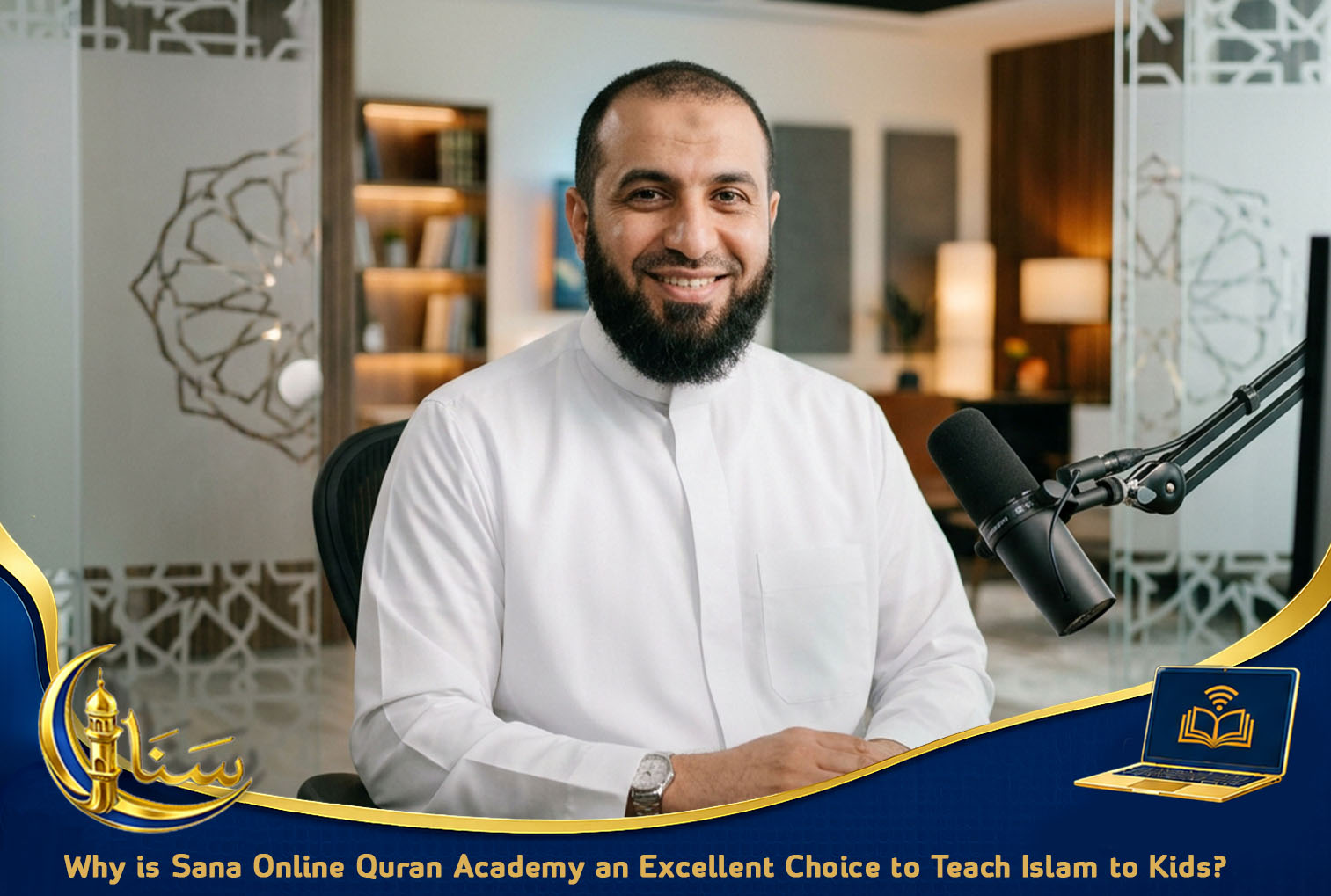
Many parents look for qualified teachers who can support their efforts at home. Therefore, choosing a trusted academy can make a significant difference in a child’s Islamic education.
An online Islamic Academy for kids provides structured online classes designed specifically for children. In addition, experienced teachers create an encouraging environment where students enjoy learning the Quran, Islamic studies, and daily Islamic manners. The academy offers many benefits, including:
- Qualified Quran and Islamic studies teachers.
- Personalized one-on-one learning.
- Flexible class schedules.
- Interactive teaching methods.
- Lessons suitable for different age groups.
- Continuous progress monitoring.
Furthermore, students receive individual attention, allowing them to build confidence while improving their Quran reading, memorization, and understanding of Islamic values.
As a result, parents can confidently support their children’s Islamic journey both at home and through professional guidance.
Activities That Help Teach Islam to Kids in a Fun Way
Finding creative activities is one of the easiest ways to teach Islam to kids while keeping them excited about learning. Children remember lessons better when they actively participate instead of simply listening. Therefore, parents should combine education with enjoyable experiences that strengthen both knowledge and faith.
Moreover, these activities help children build positive memories associated with Islam, making them more eager to continue learning as they grow.
1. Teach Islam to Kids Through Prophet Stories
Children naturally love stories. Therefore, the stories of the Prophets are among the best online quran teaching educational tools for introducing Islamic values. For example, parents can share stories about:
- Prophet Nuh and patience.
- Prophet Ibrahim and trust in Allah.
- Prophet Musa and courage.
- Prophet Yusuf and forgiveness.
- Prophet Muhammad ﷺ and mercy.
After each story, ask simple questions such as:
- What lesson did you learn?
- What would you do in the same situation?
- How can you apply this lesson today?
As a result, children begin connecting Islamic teachings to real-life situations.
2. Teach Islam to Kids by Creating a Daily Dua Routine
Instead of asking children to memorize many supplications at once, teach one dua each week. For example, begin with:
- Dua before eating.
- Dua after eating.
- Dua before sleeping.
- Dua when leaving home.
- Dua for entering the mosque.
Furthermore, display these duas on colorful cards around the house. Seeing them every day helps children remember them naturally.
3. Teach Islam to Kids Through Family Quran Time
Reading the Quran together creates beautiful family moments while strengthening children’s relationship with Allah. Parents can:
- Read one short surah together every evening.
- Explain one simple lesson from each surah.
- Encourage children to repeat verses.
- Celebrate every memorization milestone.
Additionally, children become more motivated when parents participate instead of asking them to study alone. At Sana Online Quran Academy, children also receive personalized Quran lessons that improve recitation, memorization, and understanding through engaging teaching methods.
4. Teach Islam to Kids With Islamic Quiz Games
Children love friendly competitions. Therefore, Islamic quizzes are an excellent way to review what they have learned. Questions may include:
- Who was the first Prophet?
- What is the first pillar of Islam?
- How many daily prayers do Muslims perform?
- What does Bismillah mean?
- Which surah do we read in every prayer?
Moreover, rewarding participation with praise or small prizes encourages continuous learning.
5. Teach Islam to Kids Through Charity Activities
Islam encourages generosity from an early age. Therefore, children should regularly participate in acts of kindness. Simple charity projects include:
- Donating clothes.
- Giving toys to children in need.
- Helping elderly neighbors.
- Preparing food for others.
- Saving part of their allowance for charity.
Consequently, children understand that helping others is an important part of being a good Muslim.
Common Challenges When You Teach Islam to Kids and How to Overcome Them
Every parent faces challenges while trying to teach Islam to kids. However, these obstacles can be overcome with patience, consistency, and the right teaching approach.
My Child Thinks Islamic Learning Is Boring
Sometimes children lose interest because lessons are repetitive or difficult to understand. Furthermore, changing the teaching method often renews a child’s enthusiasm. Instead, try to:
- Use storytelling.
- Watch educational Islamic videos together.
- Create fun learning games.
- Use colorful books and flashcards.
- Encourage hands-on activities.
I Don’t Have Enough Islamic Knowledge
Many parents worry that they are not qualified to teach Islam. However, children do not expect perfection—they simply need guidance. Additionally, showing children that learning never stops teaches them the value of seeking knowledge. You can:
- Learn together with your child.
- Read authentic Islamic books.
- Attend the online Islamic center for kids classes.
- Ask qualified teachers for support.
My Child Doesn’t Want to Pray
This challenge is common, especially with younger children. As a result, children often begin to associate prayer with comfort instead of pressure. Rather than forcing them, try to:
- Pray together as a family.
- Explain the benefits of Salah.
- Praise every improvement.
- Create a prayer routine.
- Lead by example.
We Don’t Have Enough Time
Busy schedules make regular Islamic learning difficult. However, small daily habits make a huge difference. Consequently, children continue learning without feeling overwhelmed. For example:
- Read one Quran verse after breakfast.
- Learn one dua every week.
- Spend five minutes discussing an Islamic story.
- Listen to the Quran while driving.
Why Is Consistency the Secret to Teaching Islam to Kids Successfully?
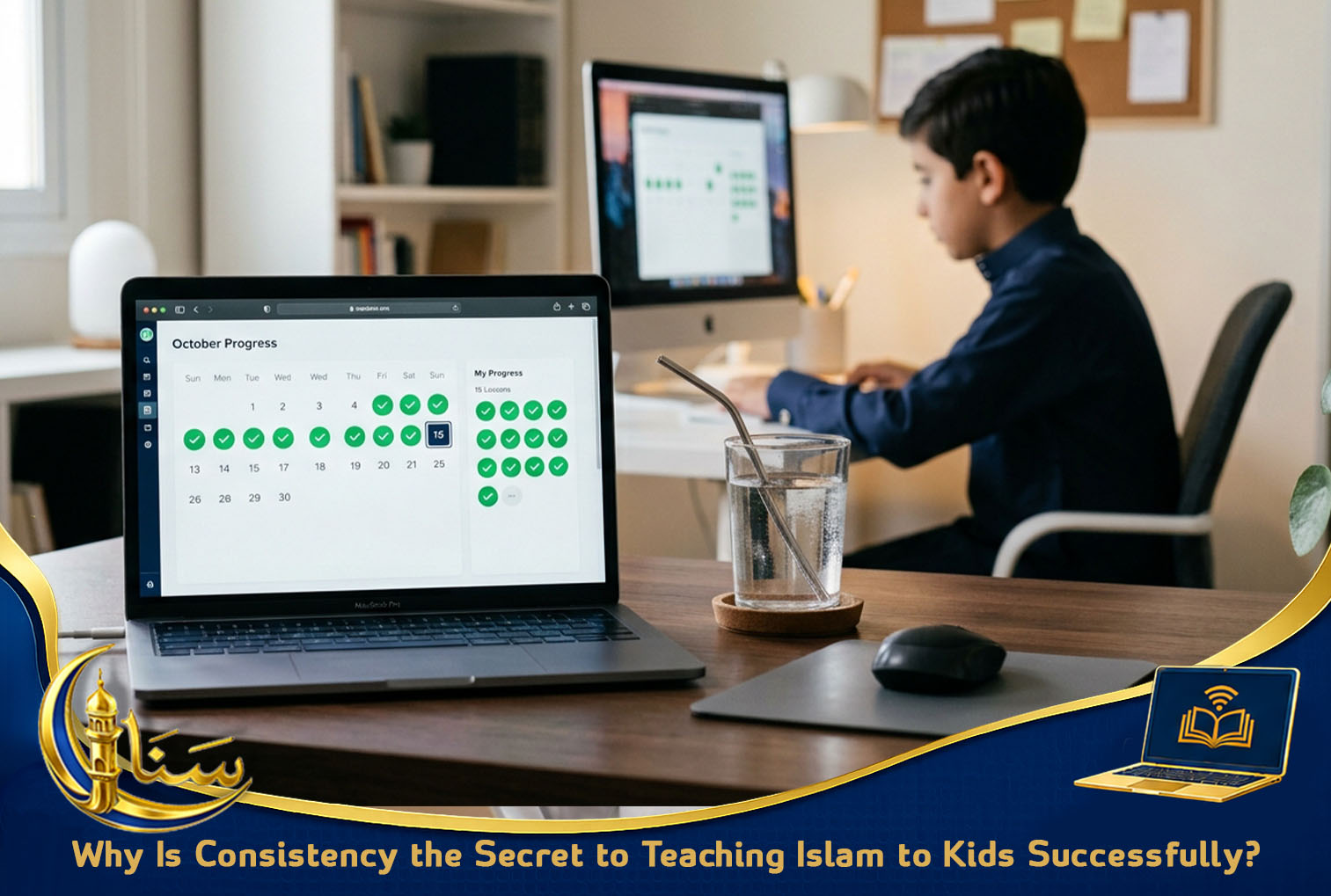
Consistency is far more important than perfection. Even short daily lessons can produce lifelong results when they are practiced regularly. Therefore, parents should focus on building simple habits that children can maintain over time. These habits may include:
- Reading the Quran every day.
- Making daily duas.
- Praying together.
- Practicing good manners.
- Talking about Allah’s blessings.
Moreover, children who grow up with consistent Islamic routines usually develop stronger confidence in their Muslim identity.
With guidance from parents and support from Sana Online Quran Academy, children can continue strengthening both their Islamic knowledge and their love for worship throughout every stage of life.
Teach Islam to Kids by Building Strong Islamic Character
Teaching children about Islam goes beyond helping them memorize information. One of the main goals is to develop good character based on Islamic teachings. When parents teach Islam to kids through everyday behavior, children learn that honesty, patience, respect, generosity, and kindness are essential parts of being a Muslim. The Prophet Muhammad ﷺ said:
“The best among you are those with the best manners.”
Parents can reinforce these values by praising good behavior, explaining why Islamic manners matter, and demonstrating them in daily interactions. As children consistently observe these qualities, they naturally begin to practice them in school, at home, and within their communities.
Teach Islam to Kids Using the Quran and Sunnah
The Quran and the Sunnah provide the strongest foundation for Islamic education. Therefore, parents should introduce children to authentic Islamic teachings from an early age. Reading short Quran chapters together, explaining simple meanings, and sharing authentic hadiths help children understand both faith and daily practice.
Instead of overwhelming children with complex rulings, focus on lessons they can apply immediately. For example, teach them to thank Allah for His blessings, respect their parents, tell the truth, and show mercy to others. This practical approach helps children connect Islamic knowledge with everyday life.
Benefits of Teaching Islam to Kids at Home
Home is the first school every child experiences. When parents consistently teach Islam to kids at home, children receive daily reminders that strengthen their faith and confidence. Family learning also creates a comfortable environment where children feel safe asking questions about Islam. Some important benefits include:
- Building a strong Muslim identity.
- Strengthening family relationships.
- Developing daily worship habits.
- Improving Islamic manners.
- Increasing love for the Quran and Sunnah.
- Encouraging lifelong learning.
Even spending a few minutes each day discussing Islamic values can produce lasting positive results.
Mistakes Parents Should Avoid When They Teach Islam to Kids
While parents have good intentions, certain approaches may reduce a child’s enthusiasm for learning Islam. Avoiding these common mistakes helps create a healthier learning environment. Some mistakes include:
- Forcing children without explaining the wisdom behind Islamic teachings.
- Comparing children with their siblings or friends.
- Expecting immediate perfection.
- Focusing only on mistakes instead of encouraging improvement.
- Making Islamic learning stressful instead of enjoyable.
- Ignoring children’s questions or curiosity.
A balanced approach based on patience, encouragement, and consistency usually leads to better long-term results.
How Online Quran Classes Can Help Teach Islam to Kids?
Many families today choose online Quran classes because they provide flexibility and access to qualified teachers regardless of location. Online learning allows children to study in a familiar environment while following a structured curriculum that covers Quran reading, Tajweed, Islamic studies, and daily manners.
At Sana Online Quran Academy, children receive one-on-one guidance from experienced teachers who understand how to make Islamic learning interactive and enjoyable. Personalized lessons, flexible schedules, and regular progress reports help parents support their children’s Islamic education with confidence.
Signs Your Child Is Progressing in Islamic Learning
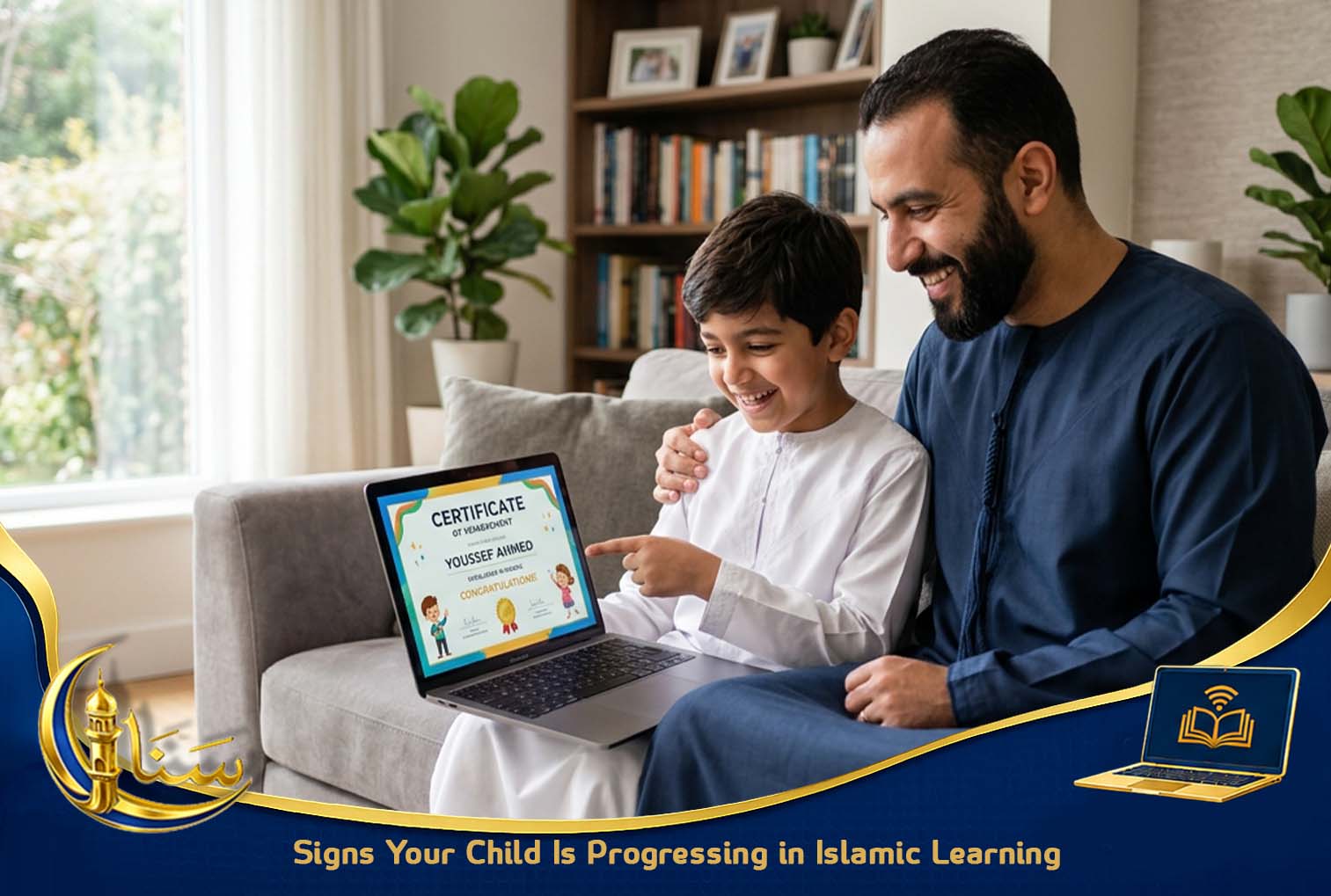
Parents often wonder whether their efforts are making a difference. Fortunately, progress can be seen in many small but meaningful ways. Children who are developing a stronger understanding of Islam often begin to:
- Remember daily duas independently.
- Show greater respect toward parents and others.
- Pray with more consistency.
- Enjoy reading or listening to the Quran.
- Ask thoughtful questions about Islam.
- Demonstrate honesty, kindness, and responsibility.
Recognizing these improvements encourages both parents and children to continue learning with enthusiasm.
Frequently Asked Questions About Teaching Islam to Kids
Choosing the right approach to teach Islam to kids often raises many questions for parents. Below are answers to some common concerns that were not covered in the article and can help families create a stronger Islamic learning experience.
1. How can I encourage my child to love Islam without forcing them?
The best way is to create positive experiences around Islam. Celebrate their achievements, answer their questions with patience, and practice Islamic values through your own behavior. Additionally, avoid using religion as a punishment. Instead, help your child see Islam as a source of love, guidance, and peace.
2. Should children learn Arabic before studying Islam?
No. Children can begin learning Islamic beliefs, manners, and Quranic values in their native language while gradually learning Arabic. However, introducing simple Arabic words and Quranic phrases over time helps them understand the Quran more deeply and improves their connection with Islamic worship.
3. How often should parents spend time teaching Islam to their children?
Consistency is more important than long study sessions. For example, spending 15 to 20 minutes each day reading Quran, learning a new dua, or discussing an Islamic story is often more effective than studying for several hours only once a week. Therefore, creating a routine leads to better long-term results.
4. What qualities should parents look for in an online Islamic academy?
Parents should choose an academy that offers qualified teachers, interactive lessons, personalized learning plans, and a child-friendly teaching approach. Furthermore, flexible scheduling and regular progress reports help children stay motivated. Sana Online Quran Academy provides these features, making it an excellent choice for families looking for structured online Islamic education.
In conclusion, learning how to teach Islam to kids is one of the greatest investments parents can make in their children’s future. Although the journey requires patience and consistency, every small effort contributes to building strong faith, excellent character, and a lasting connection with Allah.
Moreover, children learn best when Islamic education is presented through love, encouragement, and practical daily examples. Instead of focusing only on memorization, parents should help their children understand why Islamic values matter and how they can apply them in everyday life. Consequently, children develop confidence in their Muslim identity while growing into compassionate and responsible individuals.
In addition, combining home education with professional guidance can significantly improve a child’s learning experience. Sana Online Quran Academy offers structured online Quran and Islamic studies programs designed to support parents and help children learn in an engaging, interactive, and age-appropriate environment.
Finally, remember that teaching Islam is not about achieving perfection overnight. Rather, it is about building small, consistent habits that last a lifetime. Every dua your child learns, every Quran verse they memorize, and every act of kindness they practice becomes another step toward raising a confident Muslim who loves Allah, follows the Sunnah, and positively impacts the world around them.