The Islamic Studies for Kids course is an essential learning program for children, and at Sana Online Quran Academy, it is carefully designed to build strong Islamic knowledge, good character, and a clear understanding of faith from an early age.
This course helps children learn the basics of Islam in a simple, structured, and engaging way that matches their level of understanding.
Moreover, it focuses on teaching important values such as honesty, respect, and kindness, along with basic acts of worship. In addition, children develop a strong connection with the Quran and Islamic teachings, which support their personal growth and identity in a positive and meaningful way throughout life.
Why Islamic Education Is Essential for Children
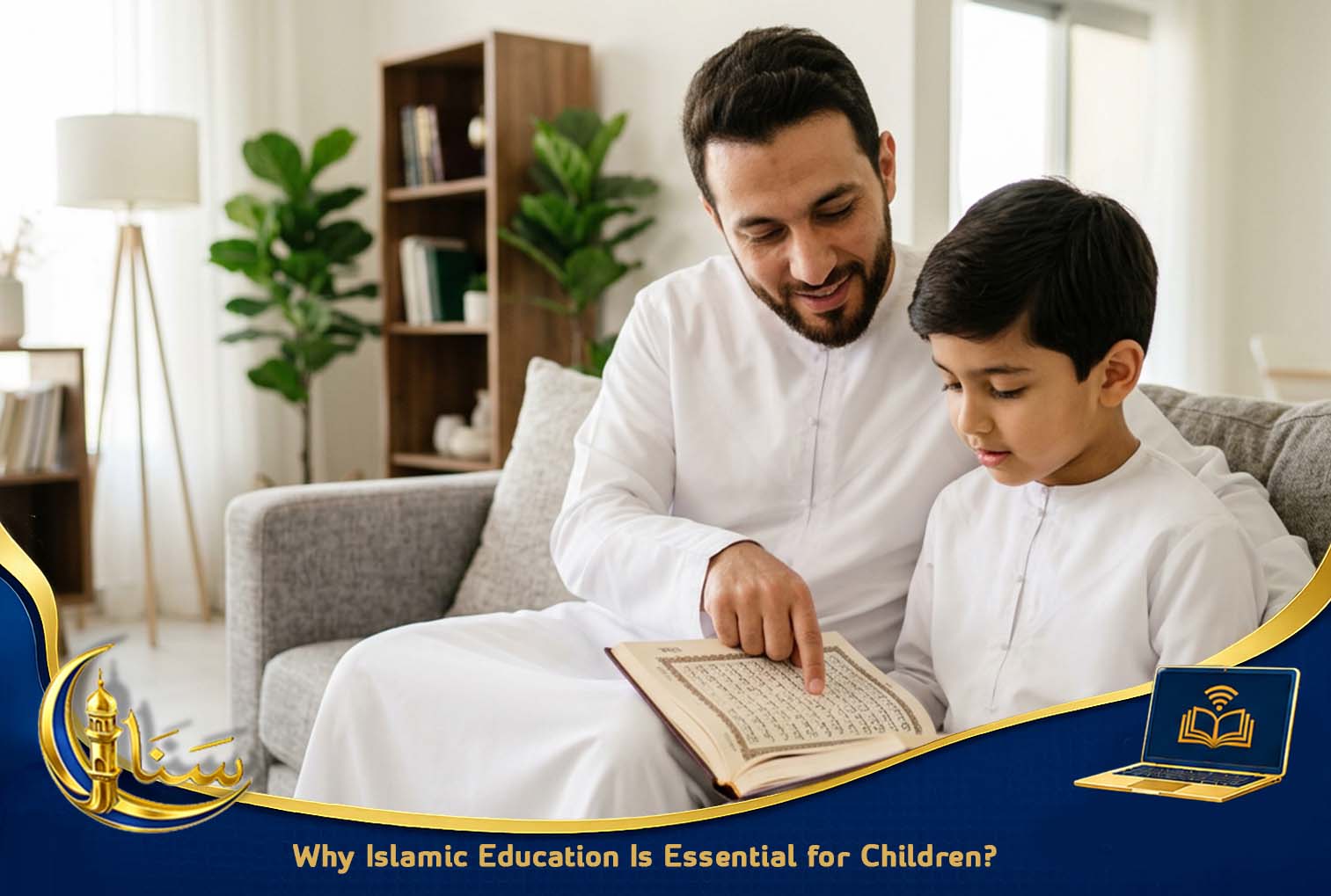
Islamic education is essential for children because it helps build strong moral values and a clear understanding of right and wrong from an early age. In addition, it strengthens their faith and guides their behavior in daily life, shaping them into responsible and respectful individuals.
Building a Strong Foundation of Faith
Children absorb knowledge quickly during their early years. Therefore, introducing them to the basics of Islam at a young age helps create a strong and lasting foundation. When children learn about Allah, the Quran, and the teachings of the Prophet, they begin to understand their purpose in life.
Over time, this understanding develops into a deep connection with their faith. Even simple lessons, such as short surahs or daily duas, can leave a lasting impression that shapes their future behavior and beliefs.
Developing Moral and Ethical Values
Islamic education goes beyond knowledge; it focuses heavily on character building. Children learn essential values such as honesty, kindness, patience, respect, and responsibility. These values influence how they interact with family members, teachers, and friends.
As a result, parents often notice positive changes in their children’s behavior, including better discipline, improved manners, and increased empathy toward others.
Strengthening Identity and Confidence
In a world full of diverse influences, children need a strong sense of identity. Learning about Islam helps them understand who they are and what they stand for. This awareness builds confidence and allows them to express their beliefs with clarity and pride.
When children feel secure in their identity, they are more likely to make good decisions and resist negative influences.
Creating a Positive Impact on Society
Children who grow up with strong Islamic values often become responsible and compassionate adults. They contribute positively to their communities and strive to make a difference in the world around them.
Start Your Quran Learning Journey Today with Sana Online Quran Academy
Start your Quran learning journey today with Sana Online Quran Academy, offering structured programs for beginners and children with simple step-by-step guidance from experienced teachers. Lessons focus on reading, Tajweed, and memorization through easy explanations and one-on-one support.
Study comfortably from home with flexible schedules that suit your daily routine. You will improve your recitation and understanding through regular practice and feedback. Learning becomes smooth, consistent, and more meaningful as your confidence grows. Join us today and begin a steady and rewarding Quran learning experience.

What Children Learn in an Islamic Studies Program
A well-structured Islamic studies for kids course provides a comprehensive curriculum that covers all essential aspects of Islam simply and engagingly.
Tawheed and the Basics of Iman
The first and most important concept children learn is Tawheed, which is the belief in the Oneness of Allah. They understand that Allah is their Creator, Provider, and Protector.
In addition, they are introduced to the pillars of faith, including belief in angels, prophets, divine books, and the Day of Judgment. These lessons help children develop trust in Allah and strengthen their spiritual awareness.
The Five Pillars of Islam
Start your Quran learning journey today with Sana Online Quran Academy. Learn Quran Online Step by Step, Tajweed, and Memorization of Quran easily with expert teachers through flexible one-on-one online classes.
The Five Pillars of Islam form the foundation of a Muslim’s faith and practice, and learning them helps children understand how to worship Allah correctly and live according to Islamic teachings with confidence and clarity.:
- Shahada: Understanding the declaration of faith
- Salah: Learning how to perform daily prayers step by step
- Zakat: Understanding the importance of helping others
- Sawm: Learning about fasting during Ramadan
- Hajj: Knowing the significance of pilgrimage
Teachers often use practical demonstrations to help children understand and perform acts of worship correctly and with confidence. With the support of a female quran teacher, young learners—especially girls—can feel more comfortable and confident while learning, which helps them engage better and understand Islamic practices more effectively.
Stories of the Prophets
Storytelling is one of the most effective ways to teach children. Through the stories of the Prophets, children learn valuable lessons about patience, honesty, courage, and trust in Allah.
These stories make learning more engaging and relatable, helping children connect Islamic teachings with real-life situations.
Daily Duas and Islamic Manners
Children are also taught essential daily duas, such as those for eating, sleeping, and waking up. In addition, they learn simple phrases like “Bismillah” and “Alhamdulillah,” which help them stay connected to Allah throughout the day.
Equally important is learning good manners (Akhlaq), including respecting parents, being truthful, and treating others with kindness.
Making Islamic Learning Fun and Engaging
Children learn best when they are enjoying the process. Therefore, incorporating creative and interactive methods can significantly improve their learning experience.
Interactive Activities
Activities such as drawing, coloring, and crafting Islamic-themed projects help children understand concepts in a hands-on way. For example, creating a Ramadan calendar or decorating Arabic letters can make learning more memorable.
Storytelling Sessions
Interactive storytelling sessions capture children’s attention and help them retain information more effectively. These sessions encourage imagination and allow children to reflect on the lessons they learn.
Educational Games
Games such as quizzes, puzzles, and word searches make learning exciting. They also reinforce knowledge in a Fun Ways Kids Can Learn Quran Online and stress-free way.
Role-Playing
Role-playing activities allow children to practice real-life situations, such as greeting others politely or performing a prayer. This method helps them apply what they learn in everyday life.
Online Islamic Learning: A Modern Approach
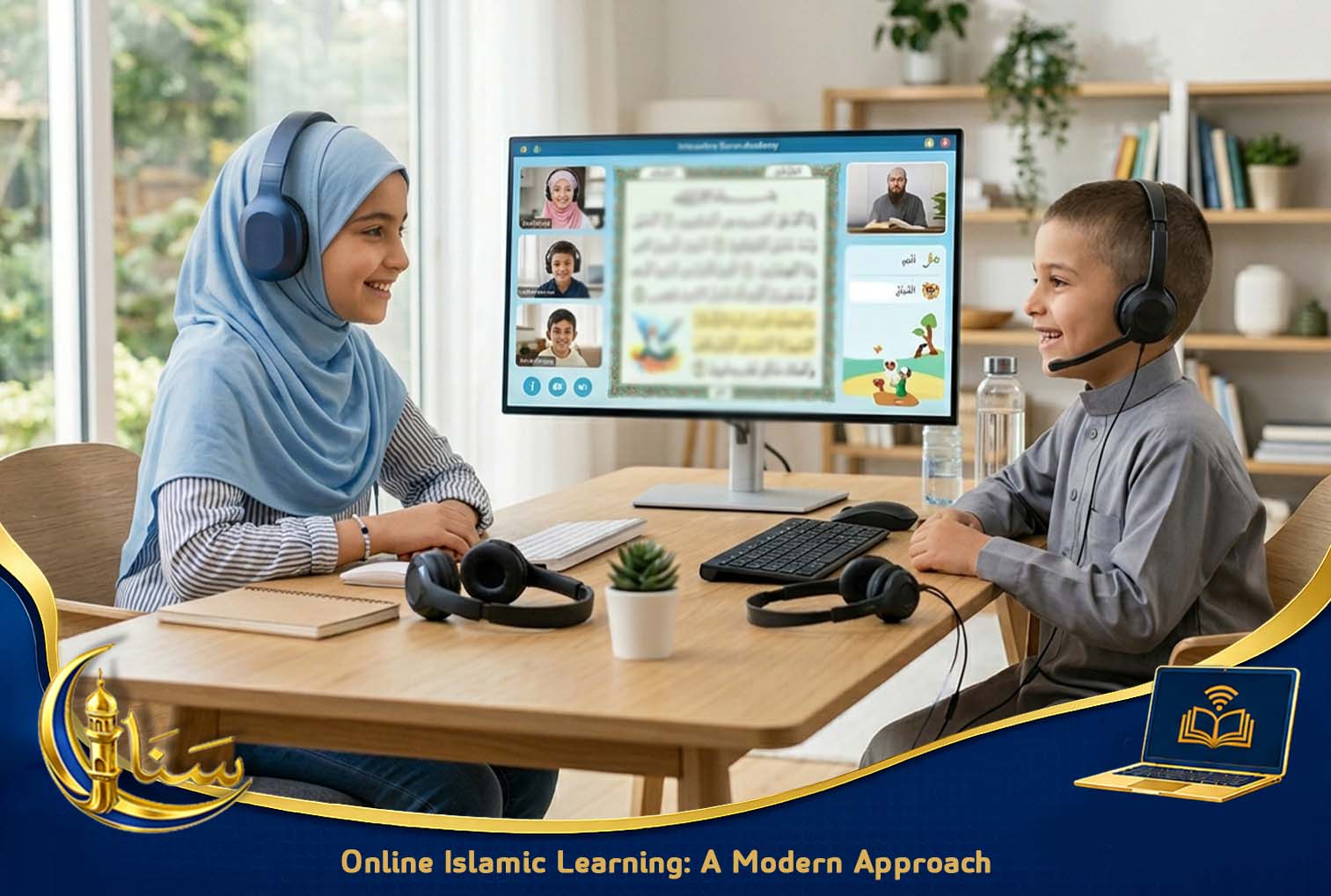
With busy schedules and modern lifestyles, many parents are turning to online learning as a practical solution.
Flexible Scheduling
Online Quran Classes for Kids allow children to learn at convenient times, making it easier to balance school, family, and other activities.
Personalized Attention
Many Online Quran Memorization for Children programs offer one-on-one sessions, which help children learn at their own pace and receive individual support.
Safe Learning Environment
Learning from home provides a comfortable and secure environment that helps children focus better without distractions, which enhances their understanding and learning ability.
Access to Qualified Teachers
Online platforms connect students with experienced teachers who specialize in teaching children in an engaging and effective way.
Why Choose Sana Online Quran Academy
Choosing the right learning platform is essential for your child’s success because the quality of education directly affects their understanding, confidence, and long-term development.
Structured Curriculum
Sana Online Quran Academy for Hifz offers a well-organized curriculum that covers Quran reading, Tajweed, Islamic studies, and character development in a clear and step-by-step way.
Experienced and Friendly Teachers
Teachers are carefully selected for their experience and ability to work with children, and they understand different learning styles and adapt their teaching methods accordingly.
Interactive Teaching Methods
Lessons are designed to be engaging and enjoyable, and therefore, they use visuals, stories, and activities to keep children motivated and focused throughout the learning process.
Flexible and Affordable Plans
Parents can choose schedules that fit their daily routines, and in addition, this flexibility helps families maintain consistency without pressure or difficulty.
Continuous Progress Tracking
Regular assessments are conducted to monitor each child’s progress, and as a result, teachers can identify strengths and weaknesses early and ensure steady improvement over time.
Structured Islamic Studies Program for Kids by Age Group
The program is carefully designed to suit different age groups because children learn best when lessons match their mental and emotional development. Therefore, each stage supports gradual growth in understanding, practice, and confidence in Islamic learning.
- 4–6 Years Old: At this stage, teachers introduce children to the basics of faith and simple daily duas in a very easy and engaging way, so children can build early awareness of Islam naturally.
- 7–9 Years Old: In this group, children begin to learn prayer, Seerah, and basic acts of worship. As a result, they start practicing important Islamic habits step by step with guidance.
- 10–12 Years Old: At this level, the program focuses on a deeper understanding, practical application, and gradually building independence so children can perform daily Islamic duties correctly.
- 13–16 Years Old: Finally, teenagers think more deeply, reflect on Islamic teachings, and develop a strong and confident Islamic identity that supports their personal growth and values in life.
Overall, this structured approach helps every child progress smoothly according to their age and ability. In addition, it builds a strong foundation of faith, knowledge, and character that stays with them throughout life.
The Role of Parents in Supporting Learning
Parents play a crucial role in reinforcing and supporting what children learn during their lessons. In fact, their influence extends far beyond the classroom, since they help shape values, habits, and attitudes toward learning at home.
Therefore, when parents actively participate in their child’s education, the learning process becomes more effective, consistent, and meaningful.
Creating a Positive Environment
First of all, creating a supportive and positive home environment is essential for effective learning. For example, parents can encourage simple Islamic practices in daily life, such as regularly listening to Quran recitation, using Islamic greetings, and reminding children of good manners. As a result, children grow up in a calm and faith-filled atmosphere, which strengthens both their knowledge and character over time.
Practicing Together
In addition, practicing together as a family plays an important role in building strong spiritual and emotional connections. When parents pray with their children and make duas together, they not only teach correct practices but also strengthen family bonds. Moreover, this shared routine makes worship feel natural and consistent in daily life.
Encouraging Curiosity
Furthermore, encouraging curiosity is very important for developing critical thinking and confidence. Children should be allowed to ask questions freely and explore their beliefs without fear or hesitation. Consequently, they gradually become more independent learners who understand their faith more deeply.
Using Positive Reinforcement
Moreover, positive reinforcement is a powerful tool for motivation. By praising effort, recognizing progress, and offering simple rewards when appropriate, parents can encourage children to stay engaged and committed to learning. As a result, children develop a more positive attitude toward education.
Being a Role Model
Finally, being a role model is one of the most effective teaching methods. Since children learn mainly by observing, parents who consistently demonstrate kindness, honesty, patience, and discipline set a strong example. Therefore, children naturally adopt these values and apply them in their own lives, which leads to long-term positive behavior.
How to Choose the Right Course for Your Child
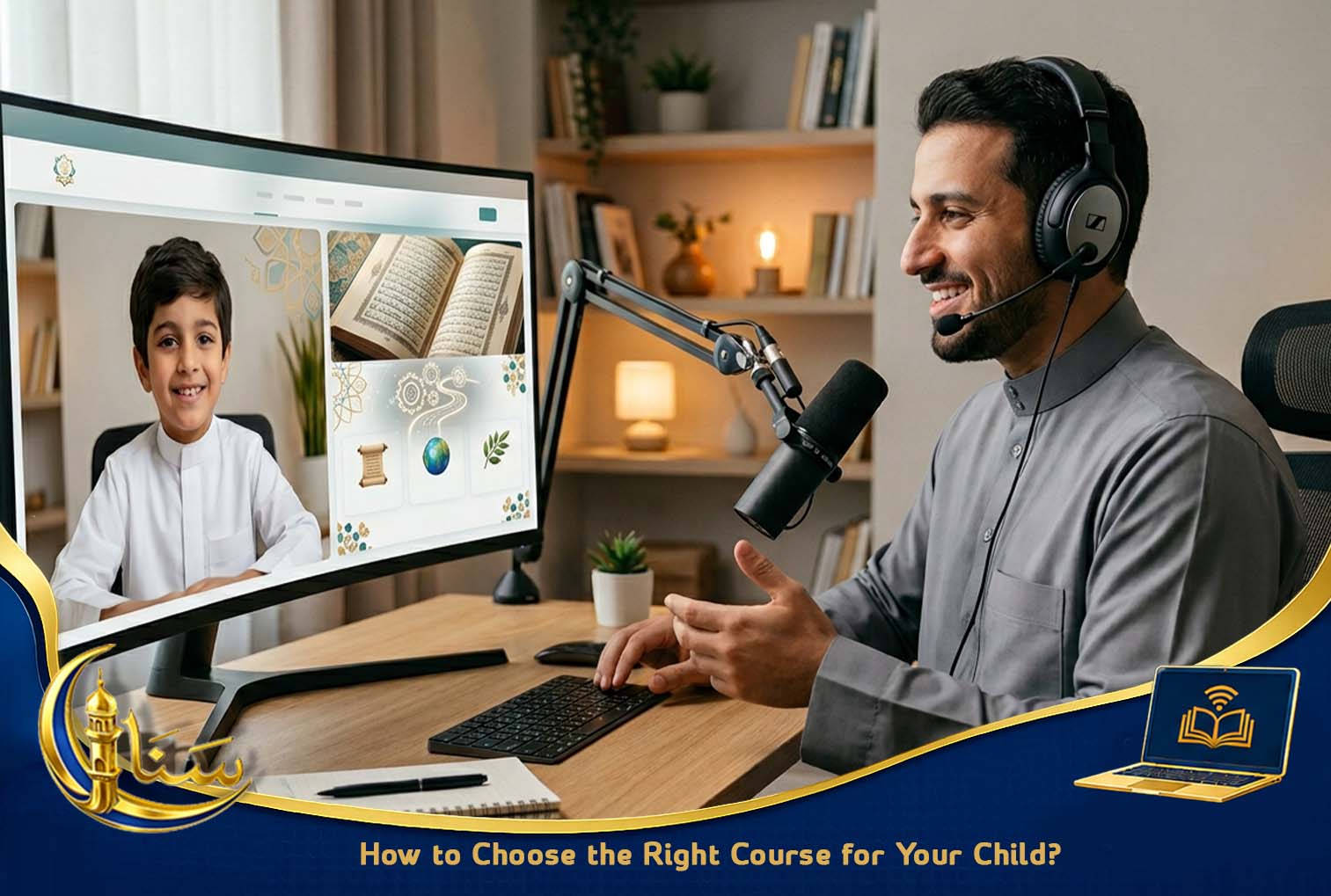
- Age-appropriate content, because children learn better when lessons match their level and are easy to understand.
- An interactive teaching style keeps children engaged, motivated, and interested throughout the learning process.
- Qualified instructors who have experience in teaching children and know how to simplify information effectively.
- Regular progress evaluation, to monitor improvement, identify weaknesses early, and support steady development.
- Flexible scheduling, so families can organize lessons easily without stress or conflict with daily routines.
A carefully chosen program that includes these factors can make a significant difference in your child’s learning journey and long-term educational success.
Frequently Asked Questions
Help parents quickly find clear answers about the Islamic studies for kids course, including how it works, what children will learn, and how Sana Online Quran Academy supports their learning journey in a simple and structured way.
1. Can children with no background in Islam join these courses?
Yes, most programs are designed for beginners and start with basic concepts, making them suitable for children with no prior knowledge.
2. What devices are needed for online classes?
Children typically need a stable internet connection, a computer or tablet, and a quiet space to focus during lessons.
3. How can I keep my child motivated to continue learning?
Consistency, encouragement, and making learning enjoyable are key. Setting small goals and celebrating achievements can also help maintain motivation.
In conclusion, the Islamic studies for kids course offered by Sana Online Quran Academy provides children with a strong foundation in faith, character, and Islamic knowledge. It helps young learners grow step by step in a structured and engaging way, while also building confidence and a deep connection with Islam.
Moreover, the course supports parents in shaping their children’s behavior and values through simple and effective learning methods. As a result, children not only gain knowledge but also develop good manners and a strong Islamic identity that guides them throughout their lives.