How to Teach Kids Quran Online is one of the most important questions many Muslim parents are asking today, especially with the rise of digital learning tools and the need for flexible, engaging education at home.
In a world full of distractions, guiding children toward the Quran requires patience, creativity, and a well-structured online approach that keeps them motivated while building a strong spiritual foundation.
Teaching the Quran to children is not just an educational task—it is a long-term investment in their character, identity, and connection with Allah. When done correctly, online learning can transform this journey into something enjoyable, consistent, and deeply meaningful.
Many parents today rely on structured programs such as Sana Online Quran Academy for Kids to help create a balanced learning environment that combines authenticity with modern teaching methods.
Why Online Quran Learning is Changing Children’s Education
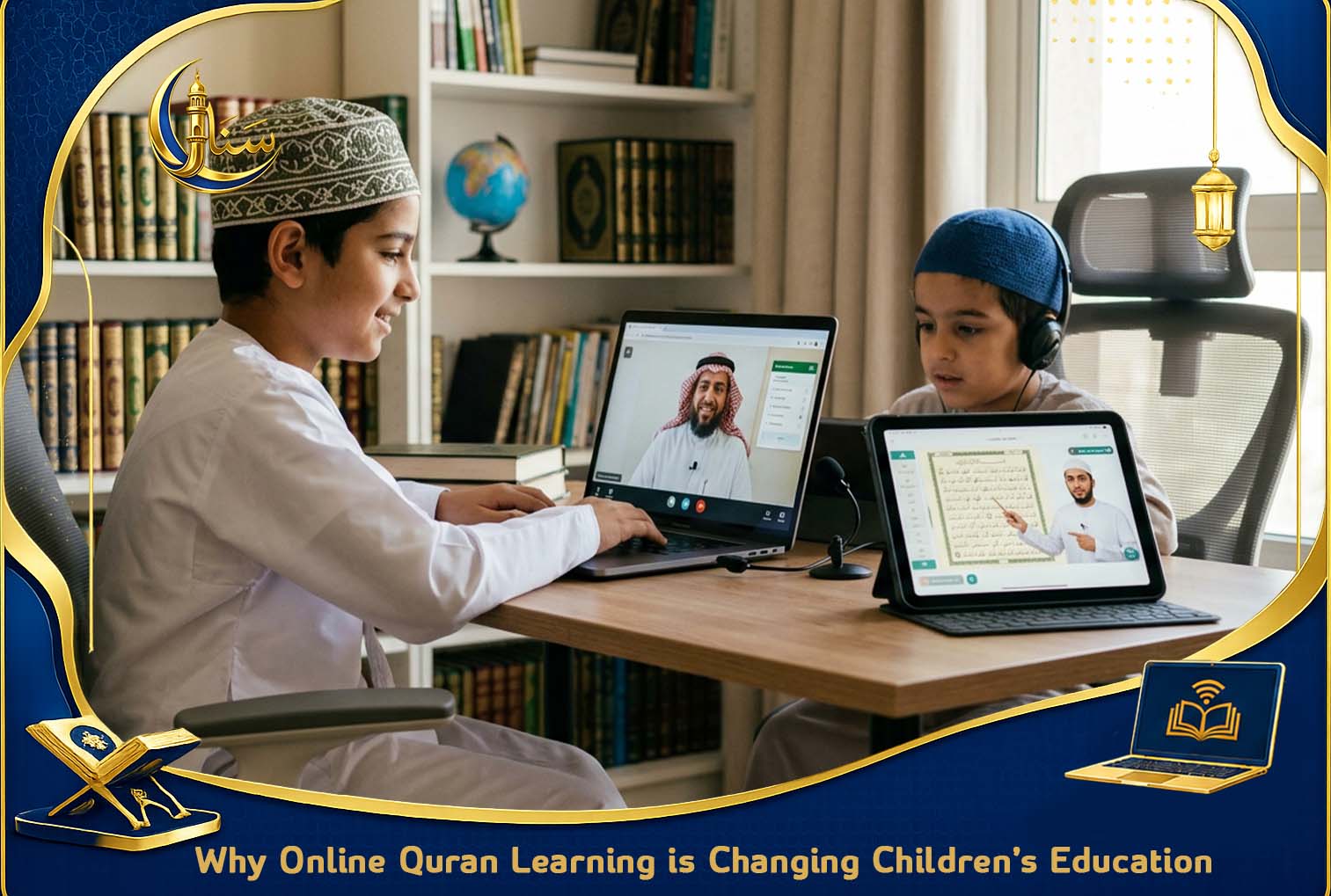
Online Quran learning has become a practical solution for modern families. Instead of relying only on traditional classrooms or limited local tutors, parents now have access to structured lessons, qualified teachers, and interactive tools that make learning more effective.
Children today are naturally drawn to screens and digital interaction, so using this habit in a positive direction can be extremely powerful. Online Quran education allows children to learn in a comfortable environment at home, which reduces pressure and increases focus.
Platforms like Sana Online Quran Academy for Kids help bridge the gap between traditional Islamic education and modern learning techniques, offering structured lessons that suit different age groups and learning styles.
Start Your Quran Learning Journey Today with Sana Online Quran Academy
Take your first step toward learning the Holy Quran with confidence and comfort at Sana Online Quran Academy. Whether you are just starting or supporting your child in their Quran education, our organized lessons, experienced teachers, and personalized one-on-one classes make the process simple, clear, and truly effective.
Learn from home with flexible timings that fit easily into your daily schedule. Improve your Quran reading and Tajweed skills step by step in a positive and motivating environment. Join today and begin a rewarding journey that nurtures spiritual growth with clarity, confidence, and consistent progress.

Building the Right Foundation for Children
Before starting lessons, it is important to understand that children do not learn the Quran the same way adults do. Their learning journey should be gradual, supportive, and emotionally engaging.
The first step is consistency. Short, daily sessions are more effective than long, tiring lessons. Children should feel that Quran learning is a natural part of their day, not a burden. Repetition also plays a major role, especially in early stages when children are learning Arabic letters and pronunciation.
Another important factor is emotional encouragement. Praise, patience, and gentle correction help children feel confident instead of afraid of making mistakes. This foundation ensures long-term success and builds a healthy relationship with the Quran.
At this stage, many parents begin structured learning with Sana Online Islamic Academy for kids, which focuses on creating a calm and supportive learning path for beginners.
Choosing the Right Online Learning Environment
One of the most important decisions in a child’s Quran journey is selecting the right learning environment. A good online system should not only teach reading but also nurture understanding, love, and discipline.
A strong platform should include:
- Qualified and patient teachers
- Step-by-step structured lessons
- Interactive learning methods
- Safe and distraction-free environment
- Progress tracking for parents
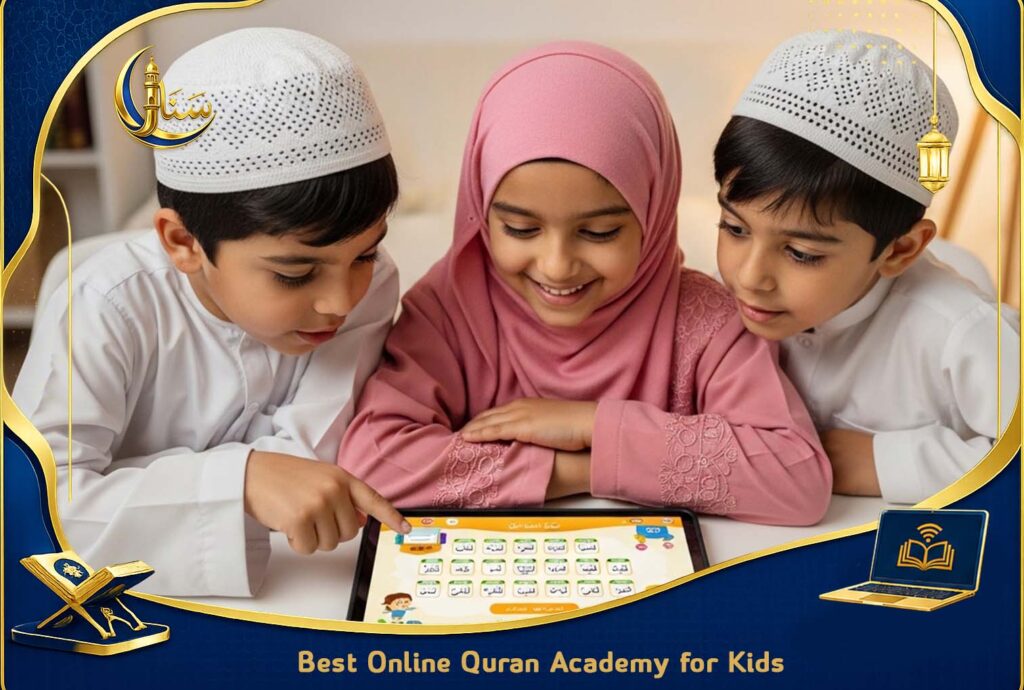
Parents often find that Sana Best Online Quran Academy for Kids provides a balanced approach that combines all these elements into a simple and effective system for children.
When choosing a learning path, avoid complexity. Children respond best to clarity, repetition, and engaging visuals rather than heavy theoretical explanations.
Read also: How to Choose the Right Online Quran Academy
Making Quran Learning Interactive and Engaging
Children learn best when they are actively involved in the lesson. Passive listening alone is not enough. Online learning should include interaction, participation, and visual engagement.
Teachers can use digital whiteboards, pronunciation exercises, and simple quizzes to keep children focused. Asking questions during the lesson helps children stay alert and improves memory retention.
Parents can also support this by creating a small learning corner at home, where the child feels comfortable and focused during sessions.In many structured programs like Sana Online Quran Academy for Kids, interactive learning is a key part of the teaching method, ensuring that children stay engaged throughout the lesson rather than feeling bored or distracted.
Read also: Is Online Quran Learning Effective
Storytelling as a Powerful Teaching Method
Children naturally love stories, and the Quran contains powerful narratives filled with lessons, morals, and guidance. Using storytelling makes Quran learning more relatable and emotionally impactful.
Instead of teaching verses in isolation, explaining the story behind them helps children understand context and meaning. For example, stories of patience, honesty, and trust in Allah help children connect values with real-life behavior.
When stories are presented in a simple and age-appropriate way, children begin to see the Quran not just as text, but as guidance for life.
This method is widely used in Benefits of Joining an Online Quran Academy, where storytelling is integrated into lessons to make learning more meaningful and memorable.
Teaching Tajweed in a Simple Way
Tajweed is one of the most important aspects of Best Online Tajweed Classes, but it should be introduced gradually. Children should first become comfortable with Arabic letters before focusing heavily on rules.
Learn Tajweed Online helps in this area because teachers can correct pronunciation in real-time. This immediate feedback prevents mistakes from becoming habits.
The key is simplicity. Instead of overwhelming children with technical terms, teachers should focus on repetition and correct pronunciation through listening and practice. Over time, children naturally develop accuracy without feeling pressured.
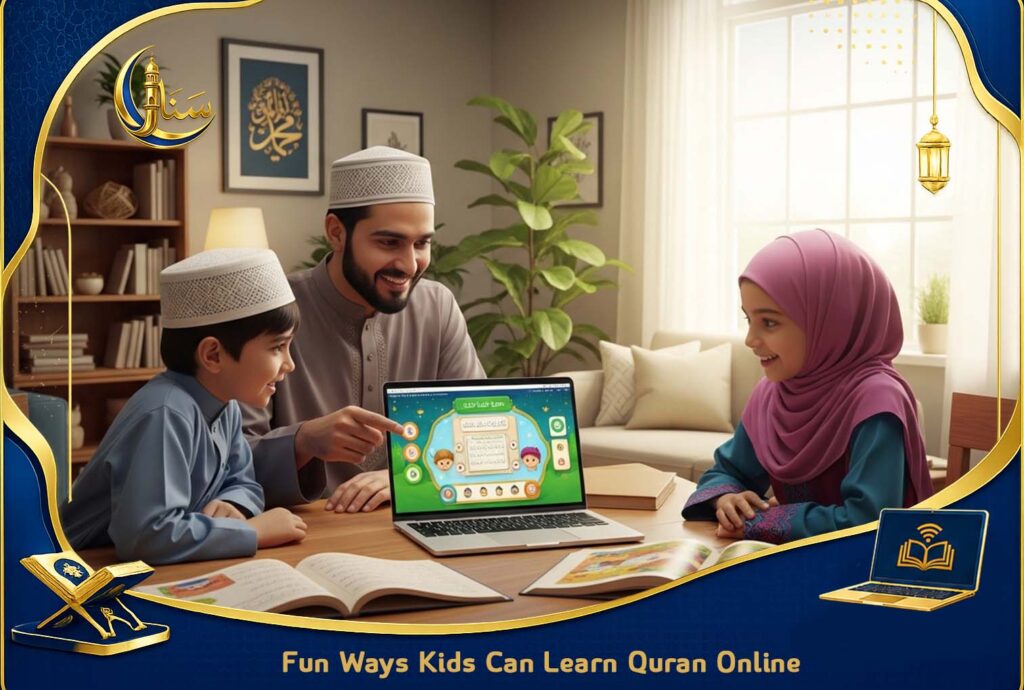
Read also: Fun Ways Kids Can Learn Quran Online
Strengthening Memorization Skills
Memorization (Hifz) is often seen as challenging, but with the right approach, it can become enjoyable. Children respond well to repetition, rhythm, and structured review.
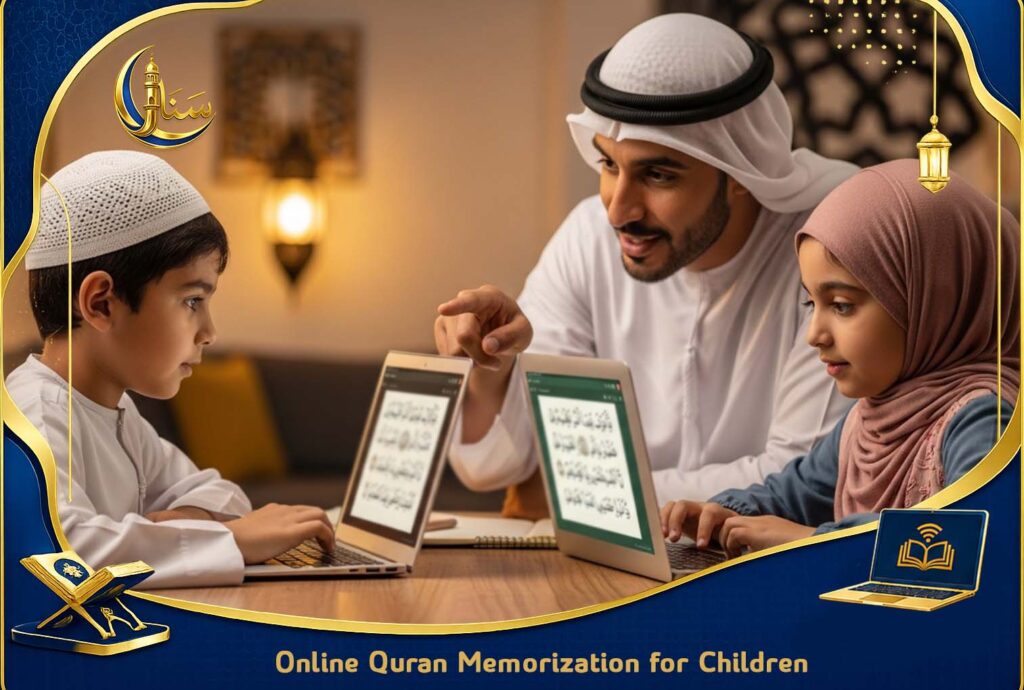
Short surahs should be repeated regularly, and progress should be gradual. Breaking verses into small parts helps children memorize without stress. Motivation also plays an important role. Encouragement, praise, and small rewards help children stay committed and proud of their progress.
Many structured programs, including Sana Online Quran Academy for Kids, use gradual memorization techniques combined with revision schedules to ensure long-term retention. Explore Ahsanul Qawaid classes to build a strong Quran reading foundation with step-by-step lessons for beginners.
The Role of Parents in Online Quran Learning
Parents are not just observers—they are active participants in their child’s Quran journey. Even with online classes, parental involvement is essential for consistency and motivation.
Parents can:
- Listen to daily recitation
- Encourage repetition at home
- Set a fixed study routine
- Celebrate achievements
- Provide emotional support
When children see their parents engaged, they naturally develop stronger interest and discipline. Online learning becomes much more effective when combined with family involvement and a positive home environment.
Tracking Progress and Building Motivation
Children need to see their progress to stay motivated. Small achievements should be recognized and celebrated. This builds confidence and encourages consistency. Begin to learn Arabic Qaida through structured lessons that improve pronunciation and reading skills.
Progress tracking can include:
- Completion of surahs
- Improvement in pronunciation
- Attendance consistency
- Memorization milestones
Certificates or simple rewards can have a strong psychological impact on children, making them feel proud of their achievements.
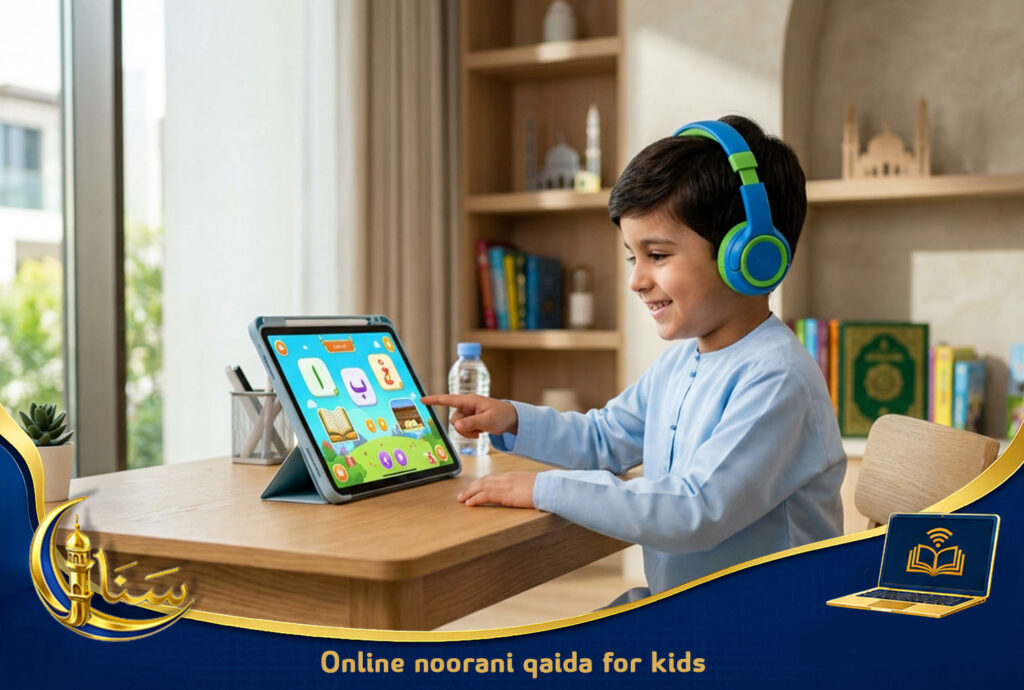
Structured systems like Sana Online Quran Academy for Kids often include progress reports that help parents stay informed about their child’s development. Study with an online Noorani Qaida for kids to master proper pronunciation and Quran recitation.
Common Mistakes Parents Should Avoid
While teaching children the Quran online, some common mistakes can slow down progress:
- Forcing long study hours
- Comparing children with others
- Ignoring emotional encouragement
- Lack of consistency
- Overloading with rules too early
Children need patience and understanding. Pressure often leads to resistance, while encouragement builds love for learning. A balanced approach ensures steady progress and long-term success. Join female quran classes for a comfortable learning experience with qualified female instructors.
Why a Structured Online Approach Matters
Using a structured system is not about replacing parental effort but supporting it. A well-designed program provides guidance, consistency, and professional teaching that can be difficult to maintain alone at home.
This is why many families choose platforms like Sana Online Quran Academy for Kids, which combine structured curriculum, qualified teachers, and interactive methods tailored specifically for children. Learn facts about Islam through authentic, easy-to-understand lessons that strengthen Islamic knowledge. Choose a female quran teacher for personalized Quran learning in a supportive environment.
Key Strategies for Teaching Kids Quran Online Effectively
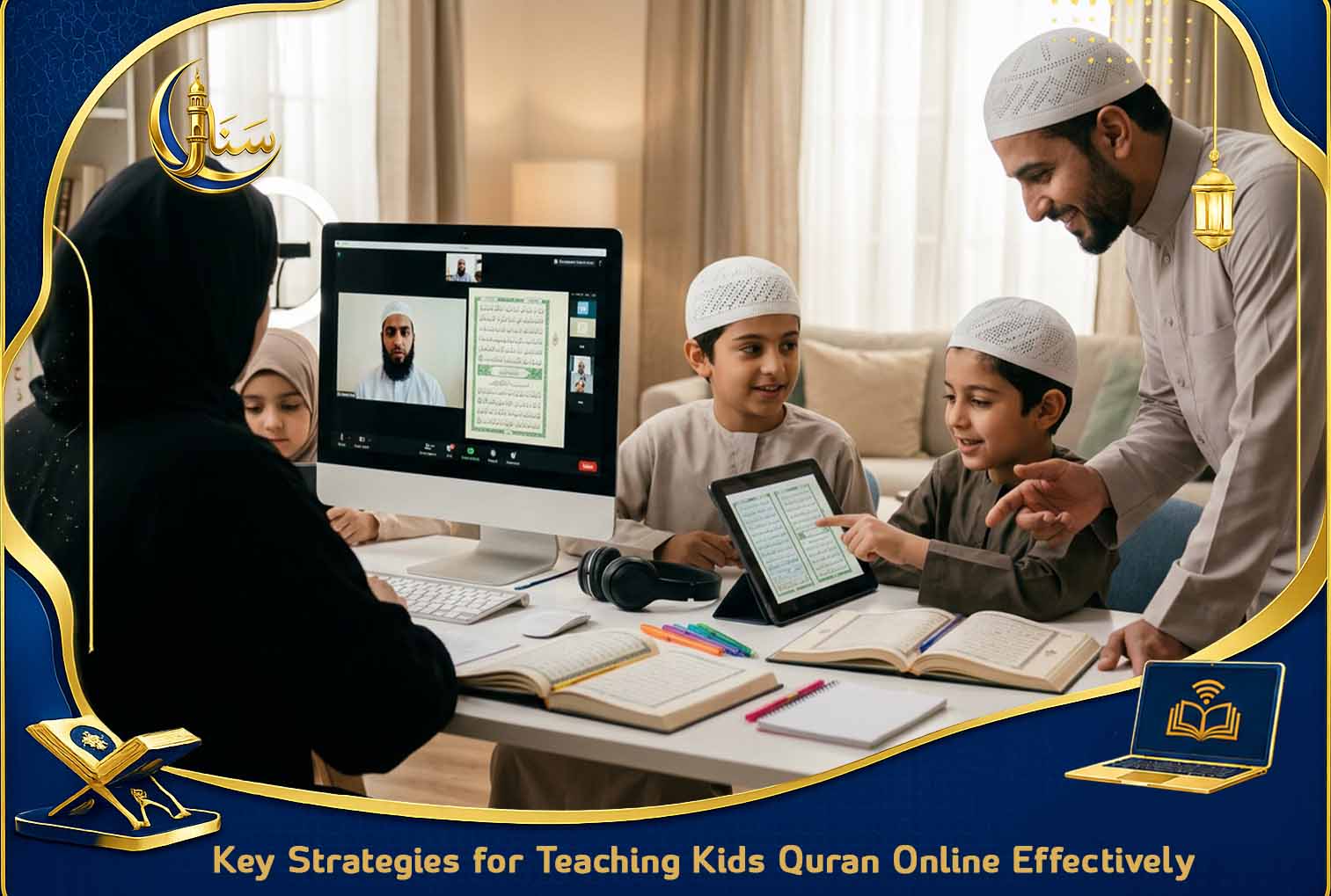
Teaching kids the Quran online requires a balanced approach that combines patience, creativity, and consistency. The goal is to make learning enjoyable while building a strong spiritual and linguistic foundation. Start learn arabic alphabets with simple lessons that prepare students for Quran reading.
- Create a fun, interactive learning environment that encourages curiosity and active participation.
- Use storytelling and visual aids to simplify understanding and improve retention.
- Encourage daily repetition and gradual learning progress for better long-term memory.
- Strengthen Arabic language skills alongside Quran study for deeper comprehension.
- Rely on qualified teachers to ensure correct pronunciation and structured guidance.
- Maintain consistency, patience, and engagement to build a strong spiritual foundation.
Online Quran learning becomes more effective when children feel supported and motivated. With the right methods, they can develop a lifelong connection with the Quran. Discover the best online quran teaching with qualified teachers who provide flexible and personalized learning.
Frequently Asked Questions
Provide clear and quick answers to the most common questions, helping users better understand the topic and find the information they need easily.
1. What is the best age to start teaching kids Quran online?
Children can start as early as 4 to 6 years old with basic Arabic letters and simple listening activities.
2. How long should online Quran lessons be for kids?
Short sessions of 20 to 40 minutes are usually ideal to maintain focus and avoid fatigue.
3. Can children learn Tajweed properly online?
Yes, with consistent practice and real-time correction from qualified teachers, children can learn Tajweed effectively online.
In conclusion, teaching kids the Quran online has become an effective and practical approach in today’s digital world. It offers flexibility, engagement, and access to qualified teachers from home. Success depends on consistency, parental support, and choosing the right learning method for each child.
When combined properly, these elements create a positive and motivating learning experience. Platforms like Sana Online Quran Academy for Kids help provide structured lessons and interactive teaching that keep children engaged. Ultimately, the goal is to build a strong, loving connection between children and the Quran that lasts a lifetime.