Sana Quran Academy

How Parents Can Help Kids Learn Quran | Practical Guide

How Parents Can Help Kids Learn Quran is a question many Muslim parents ask as they seek the best way to help their children build a lifelong relationship with the Holy Quran.

At Sana Online Quran Academy, we believe that parents play the most important role in encouraging consistent Quran learning, developing strong Islamic values, and creating a positive home environment where children can grow spiritually and academically.

With the right guidance, daily support, and qualified teachers, every child can improve Quran recitation, strengthen Tajweed, understand the meanings of the Quran, and develop a genuine love for the Book of Allah. This comprehensive guide offers practical strategies, expert advice, and effective parenting tips to help families make learning the Quran enjoyable, rewarding, and successful.

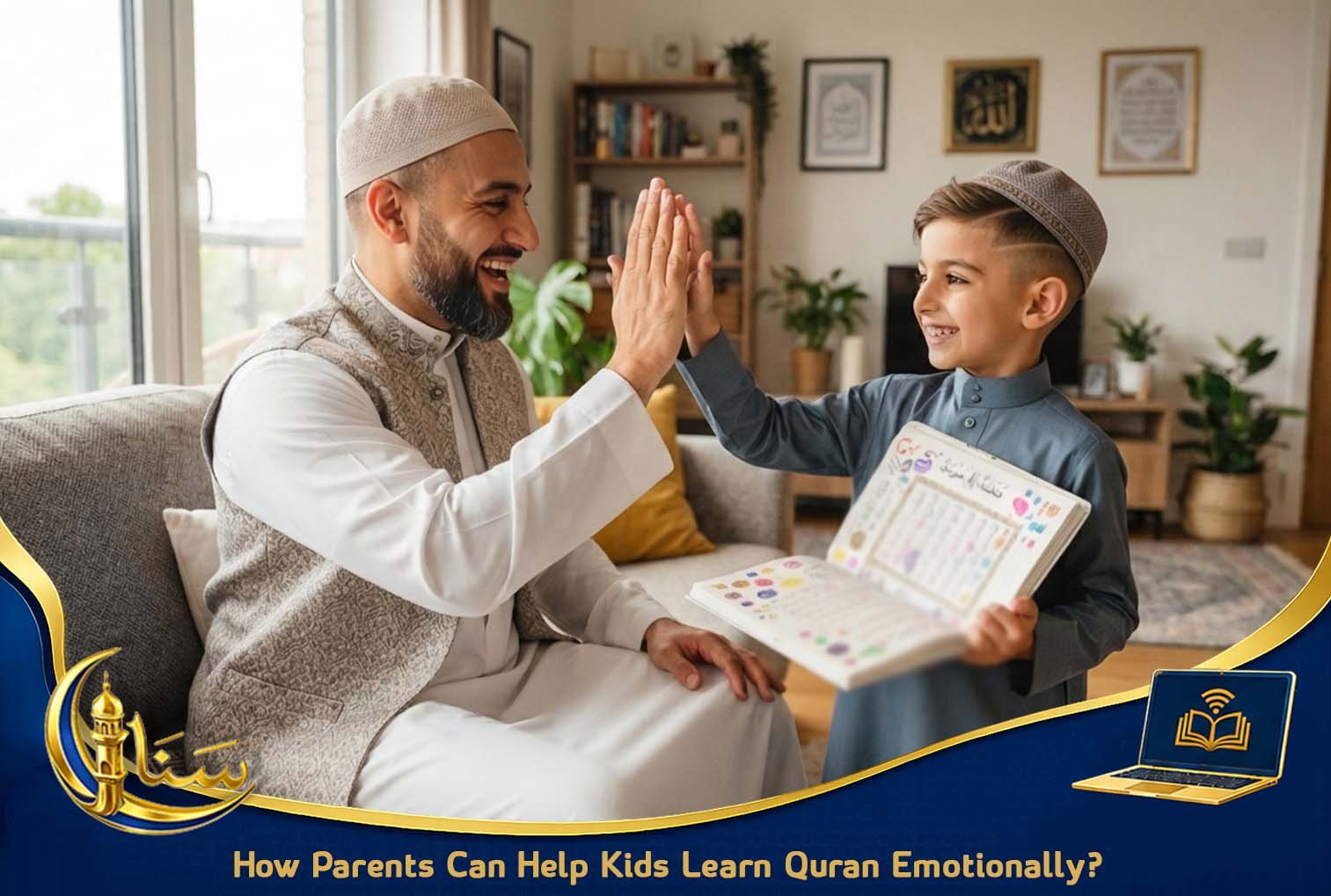
How Can Parents Help Kids Learn Quran Emotionally?
How Parents Can Help Kids Learn Quran

Every child is born with curiosity and the ability to learn. When Quran education starts at an early age, children naturally become familiar with Arabic sounds, Quranic recitation, and Islamic values. However, success does not depend only on enrolling a child in classes. It depends on the atmosphere parents create at home.

Children learn by observing the people around them. If they regularly see their parents reading the Quran, making dua, and speaking positively about Islamic learning, they begin to understand that the Quran is an important part of everyday life rather than a school subject.

Parents should remember that every child develops differently. Some children memorize quickly, while others need more repetition and encouragement. Comparing siblings or classmates often creates unnecessary pressure. Instead, celebrating personal progress helps children stay motivated and confident.

Creating positive first experiences with the Quran lays the foundation for lifelong learning. Rather than focusing only on memorization, parents should encourage understanding, love, and appreciation for the Quran.

Start Your Quran Learning Journey Today with Sana Online Quran Academy

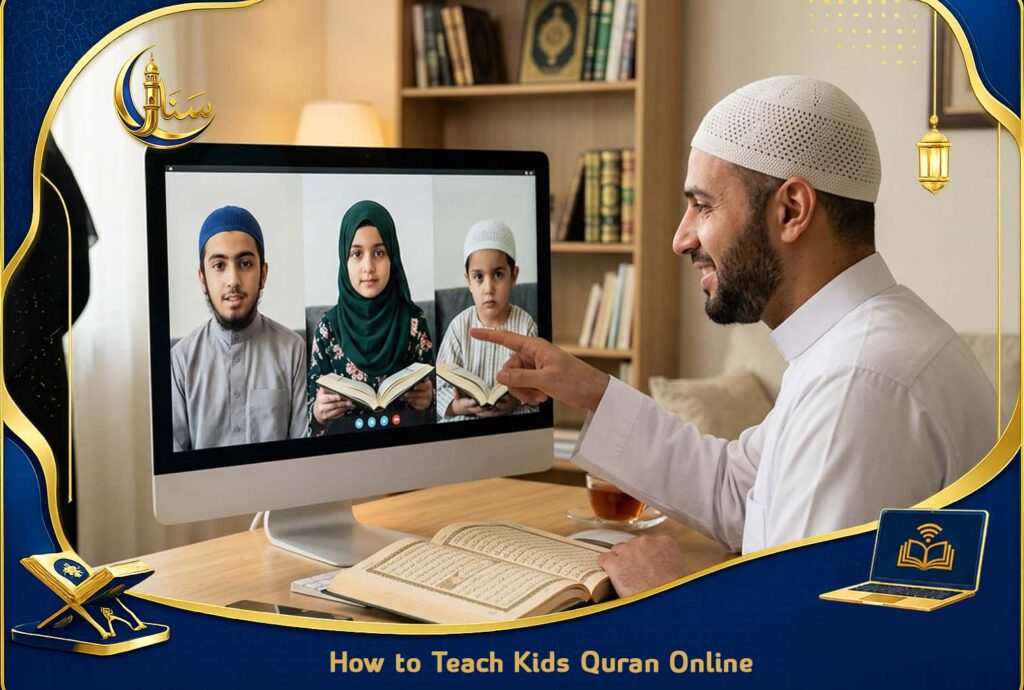
Start your Quran learning journey today with Sana Online Quran Academy, where structured and simple programs are designed for both children and adults. In fact, lessons are delivered step by step by qualified teachers who focus on reading skills, basic Tajweed, and gradual improvement with clear explanations.

In addition, you can study from home with flexible schedules that fit your daily routine. Moreover, regular practice and feedback help you improve steadily. As a result, learning becomes easier, more consistent, and more effective.

How Parents Can Help Kids Learn Quran

Why Do Parents Need to Help Kids Learn the Quran at Home?

The home is the first classroom for every child. Even before formal lessons begin, children absorb habits, language, and values from their parents. A peaceful home where the Quran is recited regularly creates familiarity that makes future learning easier.

Simple daily routines can make a significant difference. For example:

  • Reading a few verses together after Fajr or Maghrib.
  • Listening to beautiful Quran recitation during family time.
  • Encouraging children to repeat short surahs naturally.
  • Discussing simple Quranic stories suitable for their age.
  • Making dua together after every lesson.

These activities help children associate Quran learning with comfort, happiness, and family bonding rather than stress.For learners starting their Arabic journey, Best Arabic Learning Tips for Beginners offers practical guidance for building a strong foundation and developing consistent study habits.

Parents should also avoid turning Quran study into punishment. Statements such as “Go memorize because you made a mistake” can create negative emotions. Instead, Quran learning should always be presented as a blessing and an opportunity to grow closer to Allah.

Creating a Daily Routine for How Parents Can Help Kids Learn Quran

Consistency is far more effective than long study sessions that happen only occasionally. Children respond well to routines because they know what to expect each day.

A practical schedule might include:

  • Five to ten minutes of revision before school.
  • A short evening recitation session.
  • Weekend review of previously memorized verses.
  • Listening to Quran while traveling.
  • Reading together before bedtime.

Small, regular sessions improve memory, reduce stress, and help children build confidence gradually.

Parents should remain flexible when necessary. During exams, illness, or family events, reducing lesson time instead of stopping completely helps maintain consistency without overwhelming the child.

Make Learning Fun Instead of Stressful

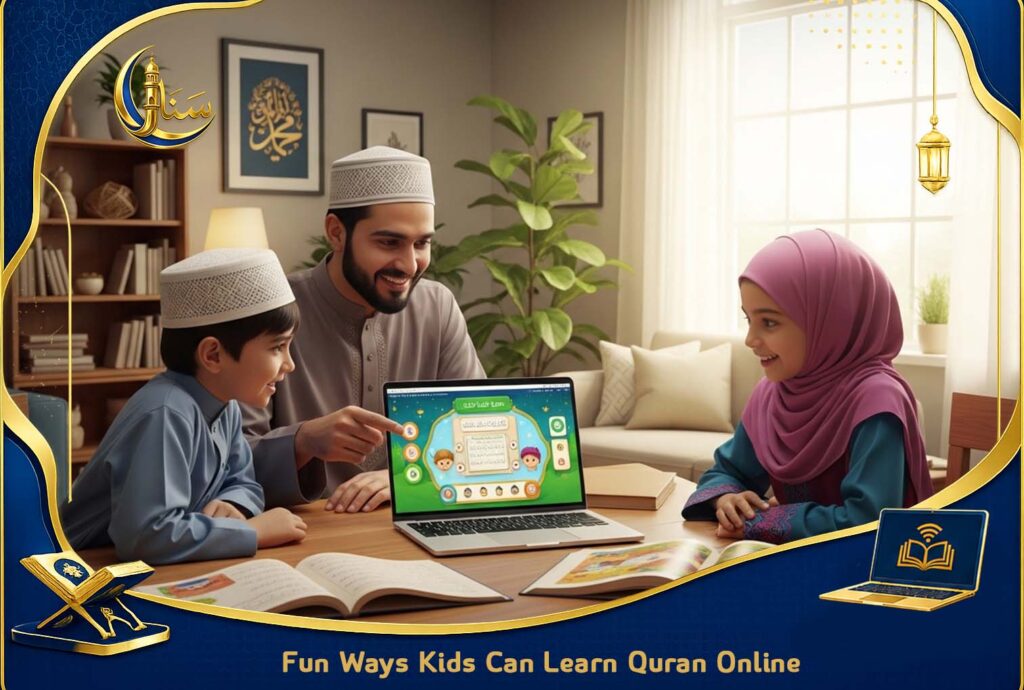
Children naturally enjoy learning through activities rather than repetition alone. Parents can introduce engaging methods that keep motivation high while strengthening Quran skills.

Ideas include:

  • Quran memorization charts.
  • Reward systems based on effort rather than perfection.
  • Storytelling from Quranic narratives.
  • Flashcards for Arabic vocabulary.
  • Friendly family recitation competitions.
  • Islamic quizzes with simple prizes.

These methods create excitement and help children develop positive memories connected with the Quran.

It is also important to praise effort instead of focusing only on results. Even small improvements deserve encouragement because confidence is a powerful motivator.

Choosing the Right Teacher and Learning Environment

Although parents play a central role, qualified teachers provide structure, Tajweed correction, and systematic guidance. Selecting experienced instructors who understand child psychology makes a noticeable difference.

Parents should look for teachers who:

  • Explain concepts patiently.
  • Encourage questions.
  • Correct mistakes kindly.
  • Adapt lessons to different learning styles.
  • Maintain regular communication with parents.

Many families today also benefit from structured online Quran education. Sana Online Quran Academy offers flexible learning options designed to support children through interactive lessons, experienced teachers, and personalized guidance that fits modern family schedules.

Regular communication between parents and teachers ensures that learning continues smoothly both during lessons and at home.

How Parents Can Help Kids Learn Quran Through Positive Encouragement?

Motivation is one of the strongest factors behind successful Quran education. Children who feel appreciated become more willing to continue learning. Positive encouragement can include:

  • Verbal praise.
  • Family recognition.
  • Certificates for milestones.
  • Special outings after achieving goals.
  • Extra family activities as rewards.

Parents should avoid harsh criticism after mistakes. Errors are a natural part of learning, and correcting them gently helps children remain confident.

When children feel emotionally supported, they become more willing to practice independently and develop a genuine love for Quran recitation.
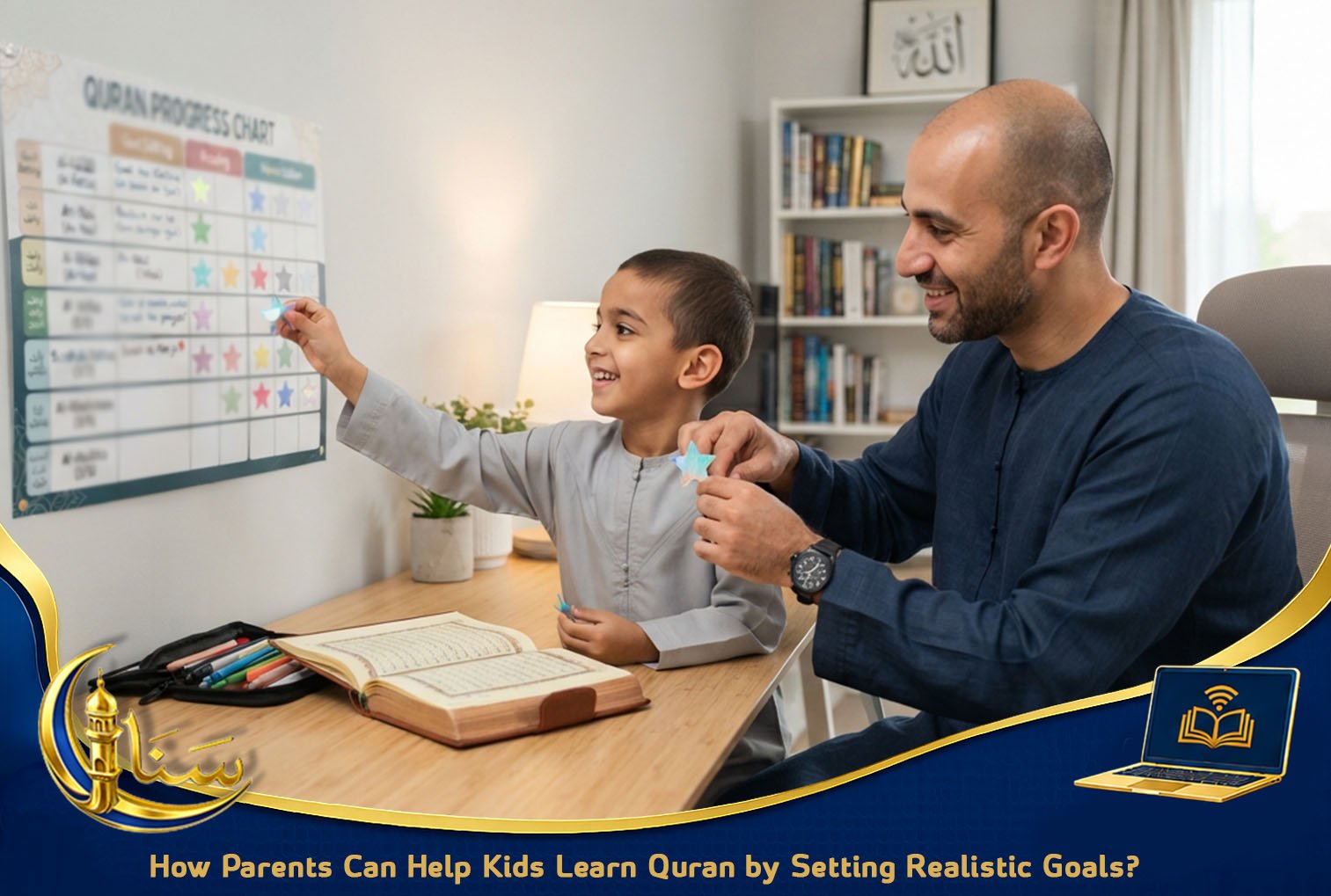
How Parents Can Help Kids Learn Quran by Setting Realistic Goals?

How Parents Can Help Kids Learn Quran by Setting Realistic Goals_

One of the biggest mistakes parents make is expecting rapid progress within a short period. Every child has unique abilities, interests, and learning speeds. Some children memorize quickly but need more practice with Tajweed, while others recite beautifully but require additional time to retain new verses. Understanding these differences helps parents create realistic expectations that encourage steady improvement instead of unnecessary pressure.

A successful Quran learning journey begins with achievable goals. Rather than asking a child to memorize an entire Surah in a few days, parents can divide it into smaller sections. Reaching these small milestones gives children a sense of accomplishment and motivates them to continue. Examples of realistic goals include:

  • Memorizing three to five new verses each week.
  • Reviewing previously memorized Surahs every day.
  • Improving one Tajweed rule at a time.
  • Learning the meaning of a few Quranic words during each lesson.
  • Completing a monthly revision schedule.

Parents should review these goals regularly and celebrate progress regardless of how small it may seem. Consistent improvement always leads to better long-term results than rushing through lessons.

Using Quran Stories to Inspire Children

Children naturally connect with stories because they stimulate imagination and make important lessons easier to understand. The Quran contains inspiring stories about Prophets, righteous believers, patience, honesty, courage, gratitude, and reliance upon Allah.

Parents can make these stories part of everyday conversations instead of limiting them to formal study sessions.

For example, after reading about Prophet Nuh (peace be upon him), parents can discuss patience during difficult situations. After learning about Prophet Yusuf (peace be upon him), they can explain forgiveness, honesty, and trust in Allah. Stories about Prophet Musa (peace be upon him) teach courage and determination, while the story of Prophet Ibrahim (peace be upon him) strengthens faith and obedience.

These conversations help children understand that the Quran is not only for recitation but also a guide for everyday life.

Instead of simply asking children to memorize verses, parents should encourage them to think about the meanings behind those verses and how they apply to their own experiences at school, home, and with friends.

Creating a Positive Emotional Connection with the Quran

Children remember emotions more than information. If every Quran lesson feels stressful, they may lose enthusiasm over time. On the other hand, when Quran learning is connected with happiness, kindness, and encouragement, children begin to look forward to every lesson.

Parents can strengthen this emotional connection by:

  • Smiling during study sessions.
  • Showing excitement when children recite correctly.
  • Avoiding anger over small mistakes.
  • Reading together as a family.
  • Ending every lesson with sincere dua.

Even five minutes of meaningful interaction can leave a lasting impression. Parents should also share personal experiences about how reading the Quran brings peace, comfort, and guidance in daily life. Children often imitate attitudes more than instructions.

How Parents Can Help Kids Learn Quran Through Consistent Revision?

Memorization alone is never enough. Without regular revision, children gradually forget previously learned verses. This is completely natural and happens to learners of all ages.

A balanced revision plan should include both recently memorized and older portions of the Quran.A simple weekly revision schedule may look like this:

DayActivity
MondayReview last week’s memorization
TuesdayRevise two older Surahs
WednesdayPractice Tajweed rules
ThursdayFamily recitation session
FridayListen to favorite Qari and repeat
SaturdayRevision with parents
SundayLight review and encouragement

This structured approach prevents children from feeling overwhelmed while helping them strengthen long-term retention.

Parents should also encourage children to recite what they have memorized during daily Salah whenever possible. Applying memorized verses in worship naturally reinforces memory.

How Parents Can Help Kids Learn Quran for Different Learning Styles?

Every child learns differently. Some children understand Best Online Arabic Academy for Beginners through listening, while others prefer reading or interactive activities.

Recognizing a child’s learning style helps parents make Quran education more enjoyable.

Visual learners benefit from:

  • Color-coded Mushafs.
  • Flashcards.
  • Charts.
  • Progress trackers.

Auditory learners often improve by:

  • Listening to skilled Quran reciters.
  • Repeating verses aloud.
  • Group recitation.
  • Audio revision during travel.

Kinesthetic learners usually enjoy:

  • Writing verses.
  • Matching activities.
  • Educational games.
  • Interactive memorization exercises.

Parents do not need expensive resources. Creativity and consistency often matter more than complicated teaching materials.

How Parents Can Help Kids Learn Quran by Encouraging Questions?

Children naturally ask questions about Islam and the Quran. Parents should welcome curiosity rather than discourage it. Questions may include:

  • Why was this Surah revealed?
  • What does this verse mean?
  • Why do Muslims memorize the Quran?
  • How did the Quran reach us?
  • Why is Tajweed important?

When parents answer patiently, children become more interested in learning. If parents do not know an answer, saying “Let’s learn together” teaches humility while encouraging lifelong learning.

How Parents Can Help Kids Learn Quran by Limiting Distractions?

Modern children grow up surrounded by phones, tablets, television, and video games. While technology offers many educational benefits, excessive distractions reduce concentration.

Parents can improve focus by:

  • Turning off television.
  • Silencing mobile phones.
  • Preparing study materials beforehand.
  • Choosing a quiet location.
  • Keeping study sessions short and engaging.

A calm environment allows children to absorb information more effectively.

How Parents Can Help Kids Learn Quran by Building Confidence?

Confidence grows gradually. Every completed lesson, corrected pronunciation, and memorized Surah contributes to a child’s belief in their own abilities. Parents should acknowledge effort instead of expecting perfection.

Helpful phrases include:

  • “I’m proud of how hard you worked today.”
  • “Your pronunciation has improved.”
  • “You remembered more verses than yesterday.”
  • “Allah loves those who keep trying.”

Positive language encourages children to continue even when lessons become challenging.

How Parents Can Help Kids Learn Quran as a Family?

Family involvement transforms quran reading classes learning into a shared experience instead of an individual responsibility.

Simple family activities include:

  • Reading one page together every evening.
  • Listening to Quran after Fajr.
  • Practicing Tajweed together.
  • Sharing reflections on Quranic verses.
  • Memorizing short Surahs as a family.

Children become more motivated when they see parents continuing their own Quran journey.

Families who learn together often develop stronger relationships while strengthening their connection with Allah.

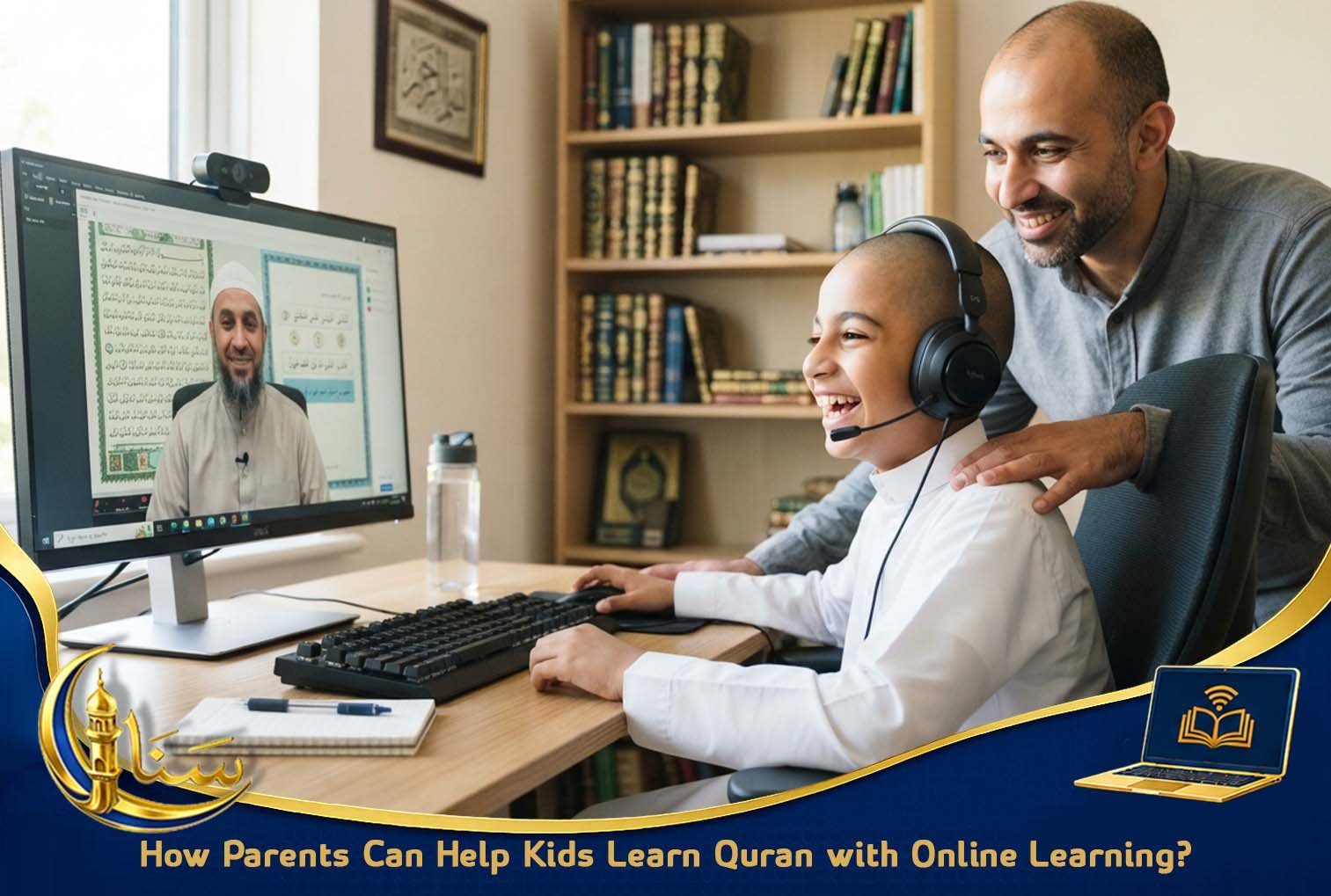
How Parents Can Help Kids Learn Quran with Online Learning?

How Parents Can Help Kids Learn Quran by Setting Realistic Goals_

Many Muslim families have busy schedules that make traditional classroom attendance difficult. online quran institute education provides flexibility while maintaining high educational standards.

A structured online program allows children to learn from qualified teachers without leaving home. Parents can also monitor lessons more easily and stay involved in their children’s progress.

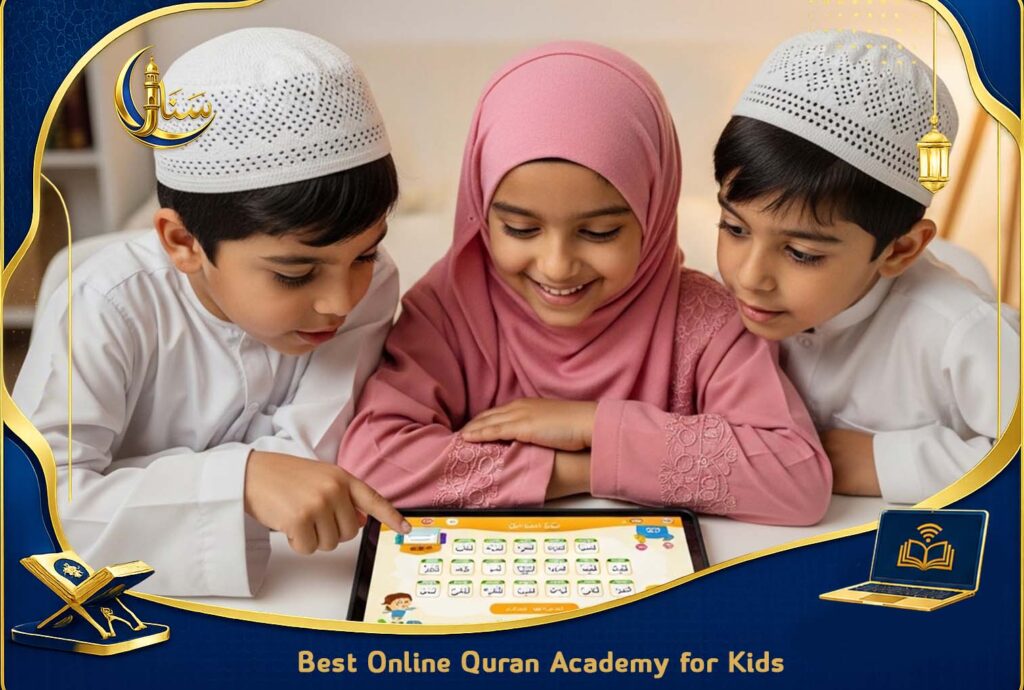
Sana Online Quran Academy supports families by offering personalized Quran Classes vs Private Classes designed for children of different ages and learning levels. Interactive teaching methods, experienced instructors, and flexible scheduling help parents maintain consistent learning routines even during busy weeks.

Another advantage is individualized attention. Unlike crowded classrooms, online lessons often provide more opportunities for direct interaction between teacher and student, leading to faster improvement in recitation and Tajweed.

How Parents Can Help Kids Learn Quran by Developing Strong Islamic Values?

The ultimate goal of Quran education is not simply memorization. Parents should help children understand that the Quran is a guide for every aspect of life. As children grow, they should begin connecting the verses they recite with their daily behavior, decisions, and relationships.

Parents can explain how Quranic teachings encourage honesty, kindness, patience, gratitude, respect for others, and responsibility. For example, after reading verses about mercy, they can encourage children to show compassion toward siblings and friends. After learning verses about honesty, parents can discuss truthful behavior at school and at home.

When children witness these values being practiced by their parents, they begin to understand that the Quran is meant to shape character, not only improve recitation.

Helping Children Stay Motivated for the Long Term

Every learner experiences moments of excitement and moments of difficulty. It is completely normal for children to lose motivation occasionally. During these periods, parents should focus on encouragement rather than pressure.

Some effective ways to maintain enthusiasm include:

  • Rotating between memorization and revision.
  • Allowing children to choose a favorite Surah to learn.
  • Listening to beautiful Quran recitations together.
  • Giving sincere praise after every lesson.
  • Celebrating important milestones with family.

Parents should remember that lasting success comes from consistency, not speed. Even a few verses learned every week can become an impressive achievement after several years.

How Parents Can Help Kids Learn Quran Through Effective Communication

Children benefit most when parents communicate openly about their Quran learning experience. Instead of asking only, “Did you memorize your lesson?” parents can ask questions that encourage reflection.

Examples include:

  • Which verse inspired you today?
  • What new word did you learn?
  • Which story did you enjoy the most?
  • Was there anything difficult today?
  • How can I help you tomorrow?

These conversations build trust while helping parents identify challenges before they become larger problems. Listening carefully also shows children that their efforts matter.

Balancing School, Activities, and Quran Learning

Modern children often have busy schedules filled with schoolwork, sports, hobbies, and family commitments. Parents sometimes worry that Quran education will become another source of stress.

The solution is balance rather than overload.

Instead of scheduling long lessons after an exhausting school day, parents can choose shorter sessions during times when children are naturally more focused.

Helpful strategies include:

  • Planning Quran lessons before recreational screen time.
  • Keeping weekday sessions brief.
  • Using weekends for revision.
  • Maintaining realistic expectations during exam periods.
  • Allowing occasional flexibility while preserving consistency.

This balanced approach prevents burnout and helps children continue learning with enthusiasm.

Choosing Resources That Match Your Child’s Age

Children at different ages require different teaching methods. Young learners usually benefit from:

  • Colorful Quran learning materials.
  • Short Surahs.
  • Repetition through games.
  • Interactive activities.

Older children may appreciate:

  • Tafsir discussions.
  • Tajweed practice.
  • Vocabulary building.
  • Reflection exercises.
  • Independent reading assignments.

Parents should adjust learning materials as their children mature so that lessons remain engaging and appropriately challenging.

Encouraging Independent Quran Habits

As children become older, parents should gradually encourage independence. Rather than reminding children constantly, they can teach them how to Stay Consistent in Quran learning and organize their own Quran routine.

Helpful habits include:

  • Setting personal memorization goals.
  • Tracking revision independently.
  • Reading the Quran without reminders.
  • Recording daily progress.
  • Making personal dua before each lesson.

These habits prepare children for lifelong Quran learning that continues into adulthood.

Learning with Qualified Teachers

Although parents provide daily support, professional teachers remain essential for accurate Quran recitation and Tajweed.

Qualified teachers help children:

  • Correct pronunciation.
  • Understand Tajweed rules.
  • Build confidence.
  • Develop consistent memorization techniques.
  • Receive constructive feedback.

Parents should maintain regular communication with teachers to understand strengths, weaknesses, and areas needing additional practice at home.

Sana Online Quran Academy provides experienced Quran teachers who understand how to work with children patiently while adapting lessons to different learning levels. This partnership between teachers and parents creates an environment where children can continue progressing with confidence.

Common Challenges Parents Face

Many parents encounter similar obstacles during their children’s Quran learning journey.Some common challenges include:

Limited Time

Busy family schedules can make regular lessons difficult. Short but consistent study sessions are often more effective than long sessions once a week.

Lack of Motivation

Children sometimes become distracted by games or entertainment. Parents should renew motivation through encouragement, variety, and achievable goals.

Fear of Mistakes

Some children hesitate to recite because they worry about making errors. Gentle correction helps build confidence while reducing anxiety.

Different Learning Speeds

Parents should avoid comparing children with siblings or classmates. Every child progresses according to their own abilities.

Maintaining Consistency

Missing occasional lessons is normal, but returning to the routine quickly prevents long interruptions. Understanding these challenges helps parents respond with patience rather than frustration.

Measuring Progress Beyond Memorization

Success should never be measured only by the number of memorized pages. Parents should also observe whether children:

  • Enjoy reading the Quran.
  • Understand basic meanings.
  • Apply Islamic manners.
  • Improve their pronunciation.
  • Show enthusiasm for learning.
  • Develop stronger faith.

These qualities often become more valuable than memorizing quickly.

Why Family Support Helps Kids Learn Quran?

Why Family Support Helps Kids Learn Quran_

Research and practical experience consistently show that children perform better when parents remain actively involved. Family support creates:

  • Greater confidence.
  • Better consistency.
  • Stronger emotional attachment.
  • Improved discipline.
  • Higher long-term success.

Even parents who cannot teach Tajweed themselves can still encourage daily practice, monitor progress, and create a positive learning environment.

Sana Online Quran Academy also encourages parents to stay involved throughout their children’s learning journey by maintaining communication with teachers and supporting regular home practice.

Frequently Asked Questions

Below are answers to some of the most common questions parents ask about How Parents Can Help Kids Learn Quran, providing practical guidance to make their children’s Quran learning journey more effective and enjoyable.

Is there an ideal age for children to begin learning the Quran?

Most children can begin learning the Quran as soon as they recognize letters and follow simple instructions. The exact age varies, but early exposure through listening and short Surahs is always beneficial.

How long should a daily Quran lesson be?

For younger children, 15 to 30 minutes of focused learning is usually sufficient. Older children may gradually increase lesson time according to their ability and schedule.

Should parents focus on memorization or understanding first?

Both are important. Memorization builds familiarity with the Quran, while understanding helps children apply its teachings throughout their lives.

What if my child loses interest in learning?

Parents should introduce variety through stories, rewards, family recitation, and encouraging conversations instead of increasing pressure.

Can online Quran classes be effective for children?

Yes. With qualified teachers, parental involvement, and regular attendance, online classes can provide structured, flexible, and highly effective Quran education. Sana Online Quran Academy offers personalized learning experiences that help children improve recitation, Tajweed, and confidence from the comfort of home.

In conclusion, helping children build a meaningful relationship with the Quran is one of the greatest investments parents can make for their future. Success is not measured by speed alone but by consistency, understanding, and the love children develop for Allah’s words over time. By creating a positive home environment, setting realistic goals, encouraging daily practice, celebrating progress, and working closely with qualified teachers, parents can guide their children toward lifelong Quran learning.

Every small step—whether it is memorizing a few verses, improving Tajweed, or understanding a new lesson—brings children closer to the Quran and strengthens their Islamic identity. With patience, encouragement, and continuous support, families can transform Quran education into a joyful journey filled with spiritual growth.

For parents looking for structured, flexible, and child-friendly Quran education, Sana Online Quran Academy provides experienced teachers, personalized lessons, and supportive learning programs that complement the important role parents play at home. Together, dedicated parents and qualified instructors can help children develop confidence, strong Quran recitation skills, and a lifelong connection with the Book of Allah.

Scroll to Top