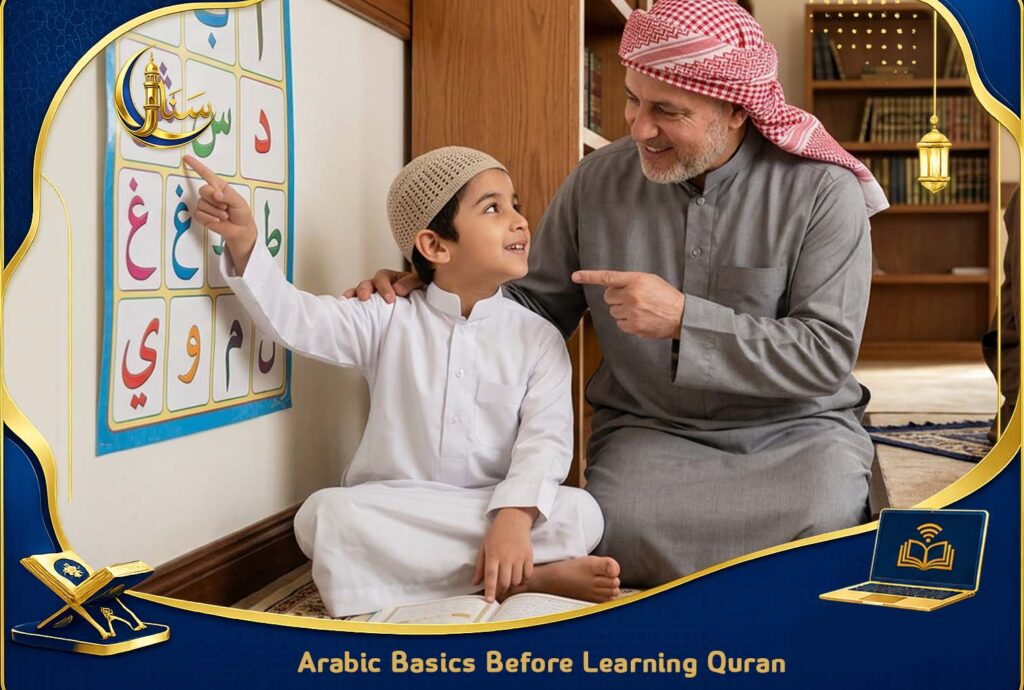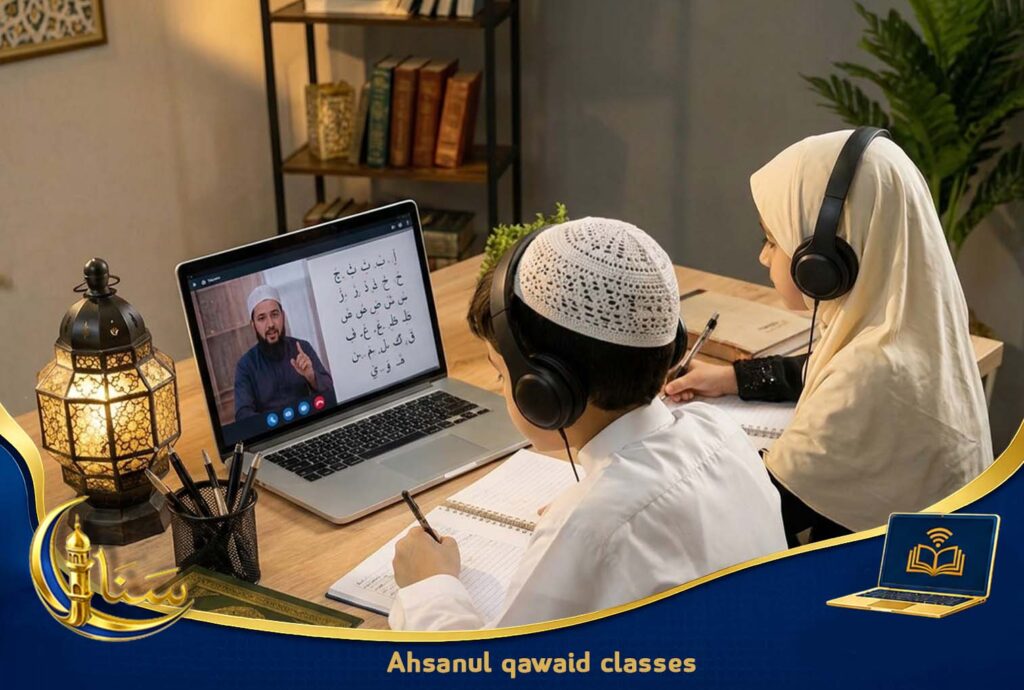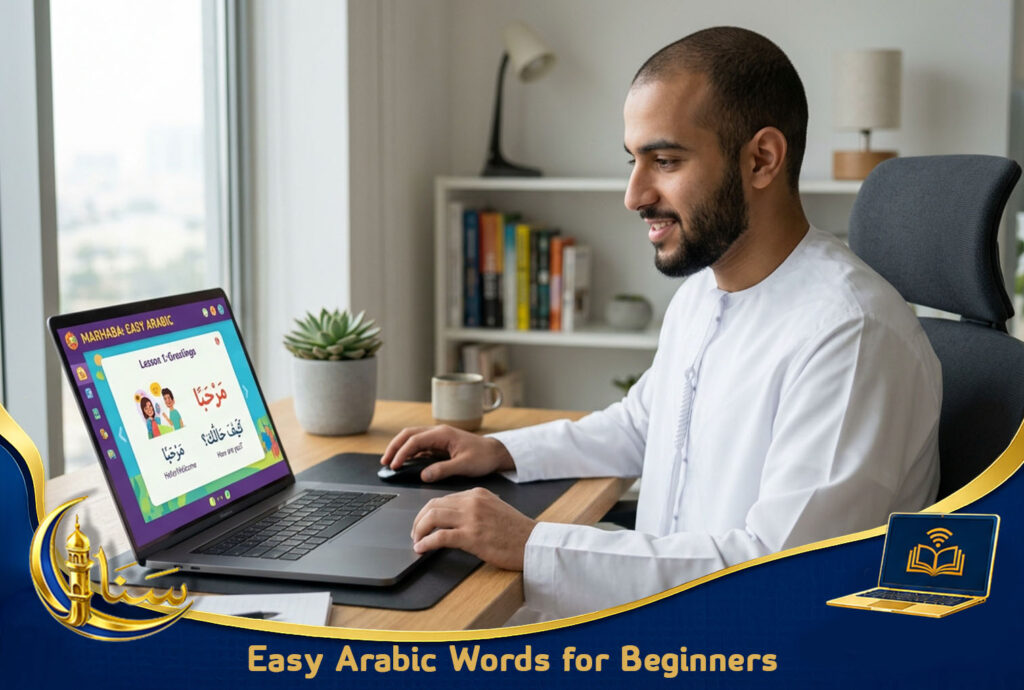
Learn Arabic Alphabets is the real first step for anyone who wants to enter the world of the Arabic language with confidence and a deep understanding. With the right approach, this journey can shift from something difficult and confusing into a simple, smooth, and even enjoyable experience.
Learning becomes even more effective when following a structured system like Sana Online Quran Academy, which guides learners step by step from the basics of letters to proper pronunciation and reading skills.
Instead of feeling overwhelmed, students progress gradually with clear explanations and consistent practice. This makes the learning process more organized, enjoyable, and easier to maintain over time.
Best Ways to Learn Arabic Letters Step by Step
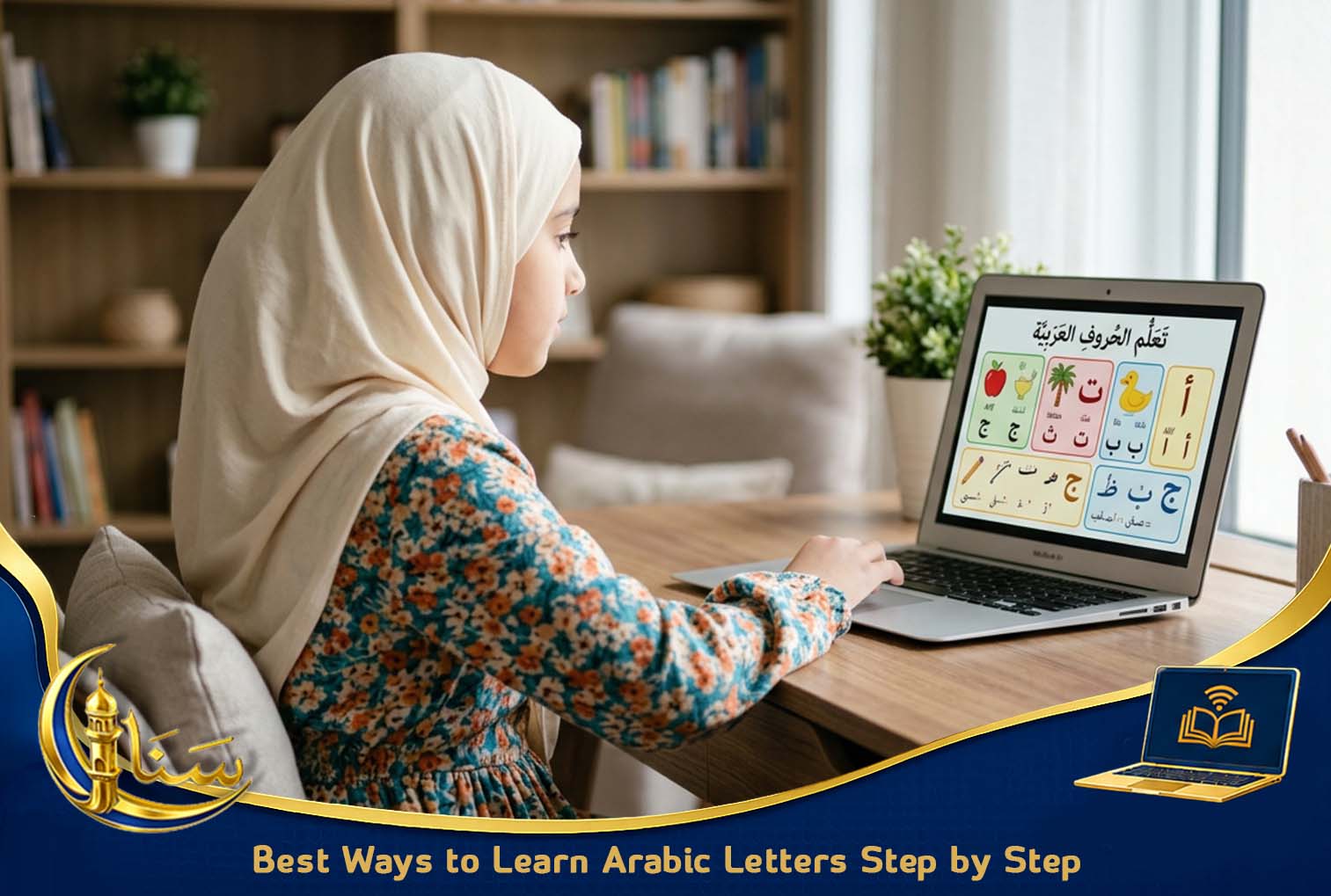
Many learners feel overwhelmed when they first see Arabic letters. The shapes look new and unfamiliar. The right-to-left writing direction also feels unusual. In addition, letters change form inside words, which can seem confusing at first.
However, the beginning is not as hard as it looks. The main problem is usually the learning method, not the language itself. With the right approach, Arabic becomes easier step by step. Focusing on sounds, patterns, and simple practice makes learning smoother and more natural over time.
In this article, you will learn a clear and practical system. It will help you understand Arabic letters from zero. You will move toward reading with confidence. The process is simple, gradual, and suitable for any beginner.
Start Your Quran Learning Journey Today with Sana Online Quran Academy
Start your Quran learning journey today with Sana Online Quran Academy, which offers structured and beginner-friendly programs designed for children and adults. Lessons are delivered step by step by experienced teachers, focusing on reading skills, Tajweed rules, and gradual memorization through clear explanations and continuous support.
You can study from home with flexible schedules that fit your daily life easily. Regular practice and feedback help you improve your recitation and understanding over time. With consistency, learning becomes smoother and more effective. Join Sana Online Quran Academy today and begin a confident and rewarding Quran learning experience.

Understanding the foundation before memorizing letter shapes
One of the most common mistakes learners make is trying to memorize Arabic letter shapes before understanding their sounds. Arabic is a phonetic language, meaning every letter has a fixed sound, and once you master that sound, recognizing the shape becomes much easier and more natural.
At this stage, listening is more important than writing. You should focus on hearing correct native pronunciation, repeating it out loud, and paying attention to How to Choose the Right Online Quran Academy your mouth and tongue move. Silent reading alone is not enough because pronunciation needs physical practice and repetition.
Some Arabic sounds like ع (ayn), غ (ghayn), خ (kha), and ق (qaf) may feel difficult at first, especially for beginners, but this is completely normal and improves with consistent practice over time.
Using structured learning programs such as Sana Online Quran Academy helps beginners build strong pronunciation skills step by step in a clear and organized way.
Connecting Arabic Letters with Sounds Instead of Memorization
When you start learning letters, do not treat them as isolated symbols. Instead, treat them as sounds connected to meaning. For example:
- Letter ب = sound “ba.”
- Letter ت = sound “ta”
- Letter م = sound “ma.”
By linking each letter directly to its sound, you naturally build reading ability without extra effort. At this stage, learners begin to realize that language learning is not just memorization—it is listening, speaking, and repetition combined.
Daily practice becomes very important here. Even 10 minutes a day is far more effective than one long session per week. Sana Online Quran Academy applies this principle by training students gradually to connect sound with shape until recognition becomes automatic and effortless. Learning how to Stay Consistent in Quran Learning helps students build lasting habits and make steady progress in their Quran journey.
Learning letters through shape families
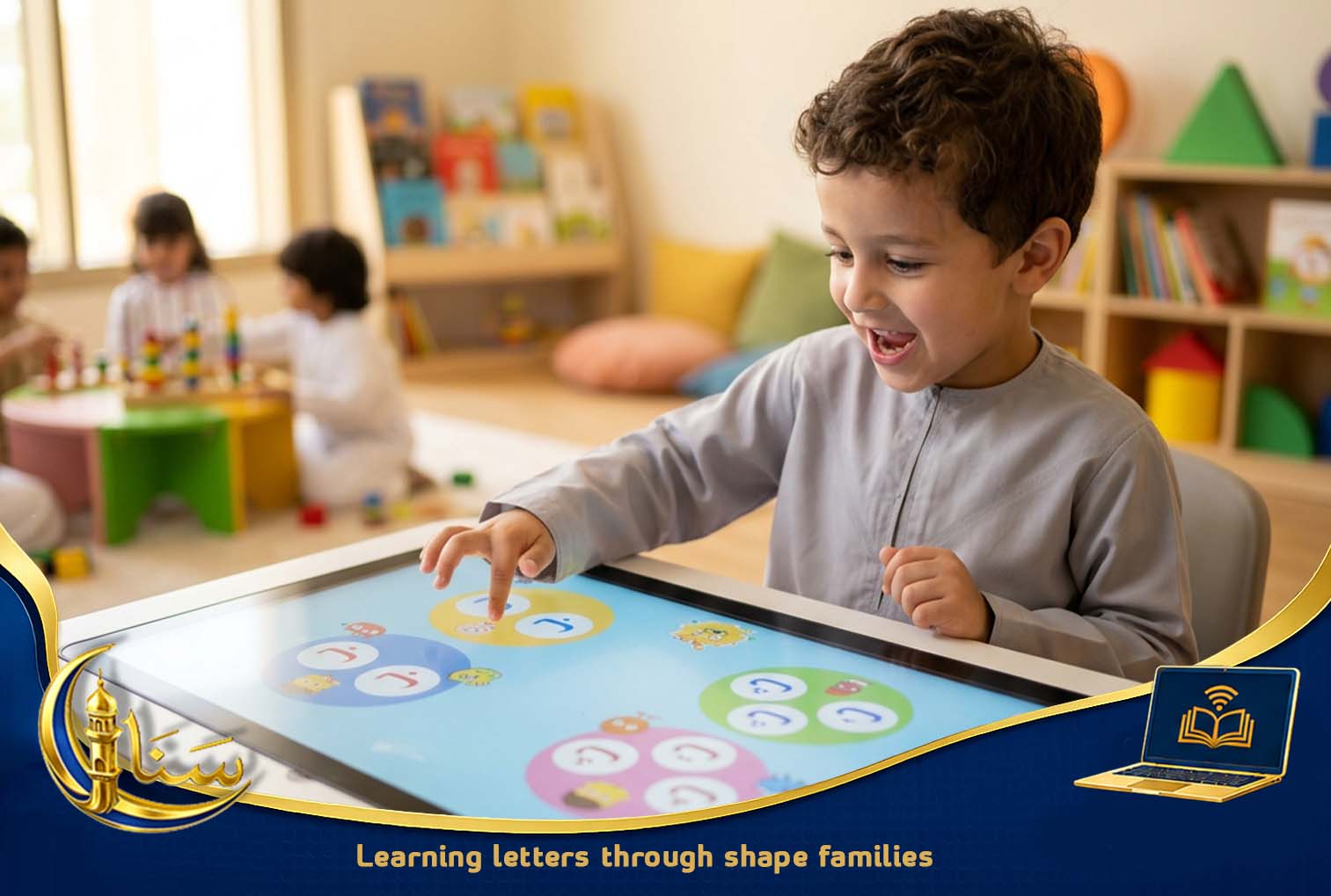
One of the most powerful secrets in mastering Arabic letters is understanding that they are not 28 completely different shapes. Instead, they are groups or “families” of similar patterns. Arabic letters often share the same base shape, and the difference is usually only in the dots. Examples:
- ب، ت، ث: same base shape with different dot positions
- ج، ح، خ: same structure with slight variation
- د، ذ: almost identical shape
- ر، ز: same form with one dot difference
Once you understand this system, Arabic letters suddenly become much easier than expected. A useful exercise is to draw each family on a separate sheet and compare them visually. This builds a strong visual map in your brain.
At this stage, many learners benefit from structured programs such as Sana Online Quran Academy, where letters are taught visually and systematically rather than through random memorization, making retention much stronger.
Using visual memory to lock in Arabic letters
The human brain does not remember abstract information easily, but it remembers images and stories very well. Instead of memorizing letters as shapes, turn them into mental pictures. For example:
- ب looks like a small boat
- ن looks like a fish
- م looks like a closed circle
- س looks like small teeth in a smile
This method may seem simple, but it is one of the most powerful memory techniques. The more unusual or funny the image, the stronger your memory becomes. This strategy is especially useful in learn arabic alphabets because it connects visual thinking with long-term memory.
Practicing letter forms inside words
Arabic letters do not always stay in one shape. They change depending on their position in a word:
- Isolated form
- Initial form (beginning of a word)
- Medial form (middle of a word)
- Final form (end of a word)
At first, this may seem confusing, but with practice it becomes natural. The best way to learn the Quran Online Step by Step this is by hand. When you write each letter in all its forms while pronouncing it aloud, you engage three systems at the same time: visual, physical, and auditory learning.
This makes the learning process faster and more permanent. Sana Online Quran Academy uses this method because repetition and active practice are proven to be the fastest way to achieve mastery.
Combining reading and listening from the beginning
Do not wait until you finish all the letters before you start reading. This is a very common mistake. From the first week, start trying to read very simple words such as:
- بيت (house)
- كتاب (book)
- ماء (water)
Listen to the word first, then try to match the letters with the sounds you hear. This approach builds reading skills naturally without pressure. Over time, you will begin recognizing words without translation or overthinking.
Common Learning Mistakes to Avoid
Many learners face slow progress in Arabic because they repeat simple mistakes that could easily be avoided with the right awareness and learning strategy from the beginning.
Learning too many letters in one day:
Trying to memorize a large number of Arabic letters in a single session often leads to confusion and weak retention, so it is always better to focus on a small number, such as 3–5 letters per day, with proper practice and repetition.
Overusing Latin transcription:
Relying too much on writing Arabic words using English letters prevents learners from adapting to the real Arabic script, which slows down reading development and creates long-term dependence on incorrect shortcuts.
Ignoring correct pronunciation:
Focusing only on shapes without correct pronunciation leads to incomplete learning, because each Arabic letter must be learned with its proper sound to build accurate reading and speaking skills.
Skipping daily revision:
Avoiding regular review is one of the biggest mistakes, because revision is more important than learning new material, as it strengthens memory and helps information stay longer in the mind.
All these mistakes can be avoided more easily when following a structured learning system like the one provided by Sana Online Quran Academy, which focuses on gradual learning, repetition, and continuous revision to ensure steady and reliable progress.
Choosing the right learning approach
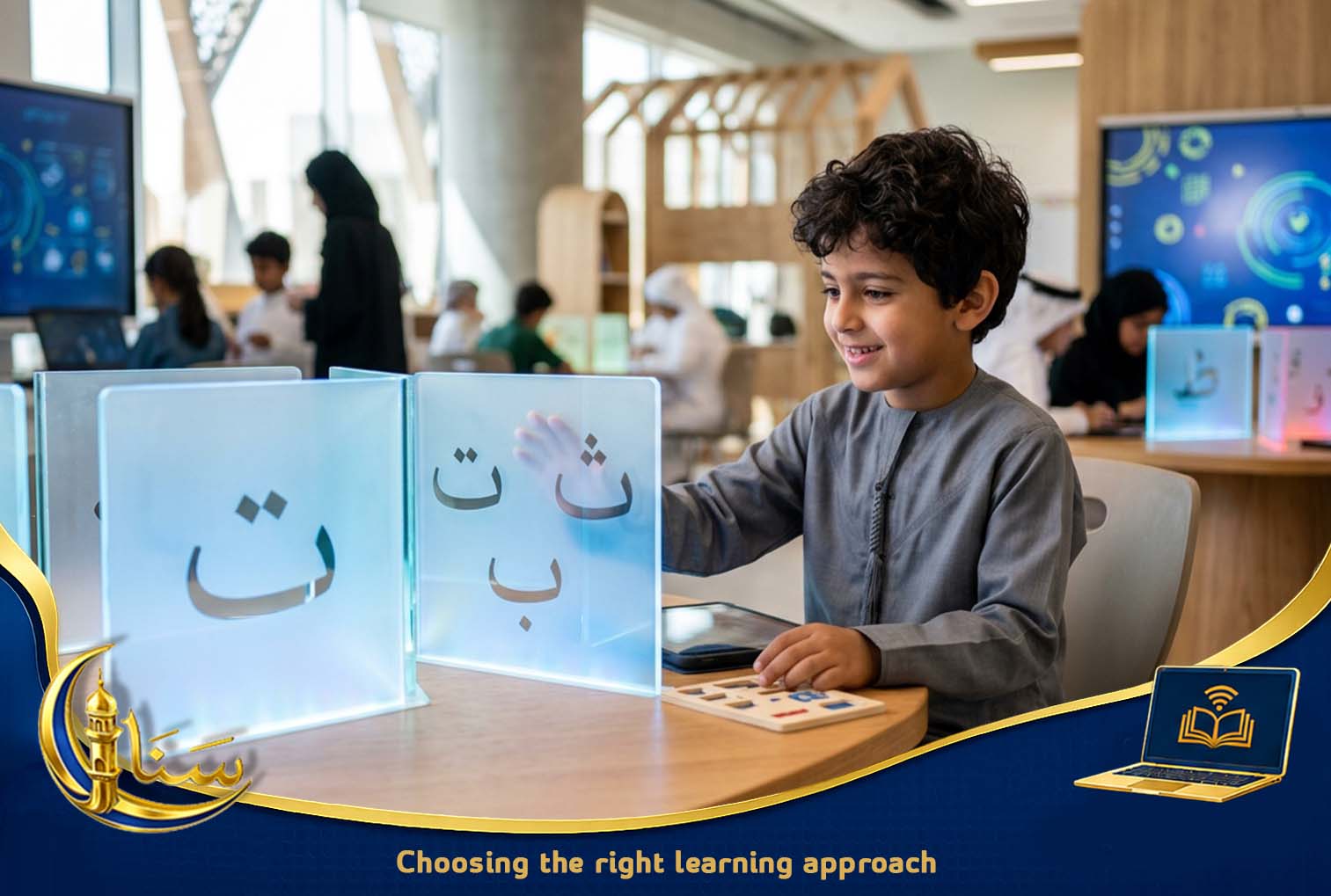
Not every learner starts learning Arabic with the same goals or expectations, so choosing the right approach from the beginning is essential for achieving faster and more effective progress.
For Quran Reading Focus:
Focus on correct pronunciation of Arabic letters, proper articulation points, and gradual learning of Tajweed rules through listening and consistent practice, because accurate recitation depends on precision and sound clarity.
When Aiming for General Arabic Skills:
Focus on reading without vowel marks, learning frequently used vocabulary, and understanding basic sentence structures in everyday texts, which helps build natural comprehension over time.
In Case of Travel or Communication Goals:
Focus on practical vocabulary, simple expressions, and essential conversational phrases that allow you to interact easily in real-life situations, ask questions, and respond confidently.
Choosing the right learning approach from the start saves time, reduces confusion, and makes the entire learning journey more structured, clear, and effective.
Integrating Learn Arabic Alphabets into Daily Life
The best way to strengthen your learning after learning Arabic alphabets is to actively use Arabic Basics Before Learning Quran in everyday situations instead of treating it as a separate study subject.
Try reading any Arabic word you encounter on signs, mobile phones, or social media. Even if you do not fully understand the meaning, focus on recognizing and analyzing the letters one by one. This simple habit builds familiarity and strengthens your reading ability over time.
With consistent exposure, your brain naturally begins to identify patterns and recognize words without conscious effort. Gradually, reading becomes faster and more automatic.
This is the stage where real progress happens—when learning moves beyond theory and becomes part of your daily life experience.
The Role of Structured Learning in Achieving Reading Fluency
A structured learning environment plays a major role in helping learners progress from basic letter recognition to full reading fluency. Without a clear system, it becomes easy to lose focus, slow down, or feel uncertain about the next step.
When learning alone, many students struggle with consistency and direction. However, with a guided approach, the learning path becomes clearer, more organized, and significantly more effective.
This is Why Families Prefer Online Quran learning. Many learners depend on Sana Online Quran Academy, which offers step-by-step guidance starting from the Arabic letters and gradually leading to confident reading fluency.
Continuous support and structured lessons help learners stay motivated and avoid confusion, especially in the early stages of learning, making the entire journey smoother and more consistent.
Learn Arabic Alphabets to Reading Fluency

After mastering learn arabic alphabets, a new stage begins: reading fluency and comprehension. This Is Online Quran learning effective at the point where learners move from identifying individual letters to connecting them smoothly into full words and meaningful sentences.
At this stage, consistency becomes the key factor for progress. Daily practice, even for a short period, helps the brain adapt and gradually turns reading into an automatic skill instead of a slow, effort-based process.
The more you read while building on learning Arabic alphabets, the faster your recognition of words and patterns becomes. Over time, familiar structures start appearing naturally, and reading shifts from decoding letters to understanding meaning with ease and confidence. Parents can teach Islam to kids through engaging lessons that build strong Islamic values from an early age.
Frequently Asked Questions
This is a section that provides clear and simple answers to the most common questions learners usually ask, helping them understand key points quickly and continue their learning journey with more confidence and less confusion.
1. How long does it take to learn Arabic letters?
Most learners can understand the basics of Arabic letters within 2 to 4 weeks if they practice every day. Progress depends on consistency, not speed.
2. Can I learn Arabic letters without a teacher?
Yes, it is possible to learn alone. However, using a structured guide like Sana Online Quran Academy makes the process faster, clearer, and more organized for beginners.
3. Do I need to memorize all letter forms?
No, memorization alone is not enough. Real understanding comes from practice, repetition, and seeing letters inside real words until they become familiar naturally.
In conclusion, learning Arabic letters becomes much easier when the right method is followed from the very beginning. Focusing on sounds first, then gradually moving to recognition, writing, and reading, helps build a strong and stable foundation.
With regular practice and consistency, learners can progress step by step from basic understanding to real reading ability without confusion or pressure. A structured learning path like the one offered by Sana Online Quran Academy can greatly support this journey and make each stage clearer and more manageable.
Ultimately, success in learning depends on patience, repetition, and continuous practice rather than rushing through the process.