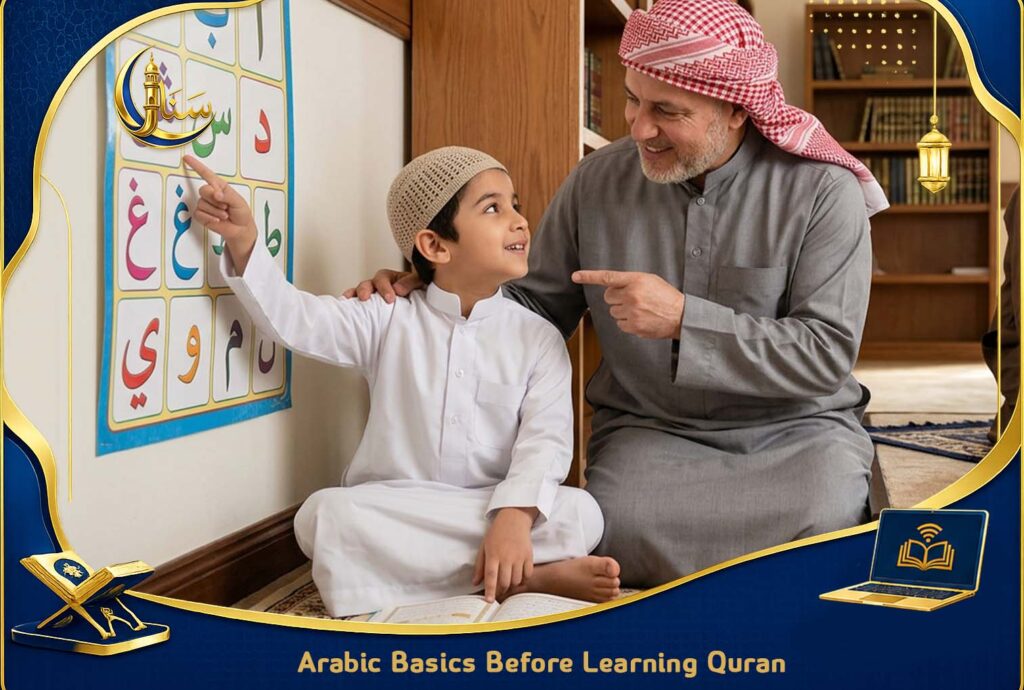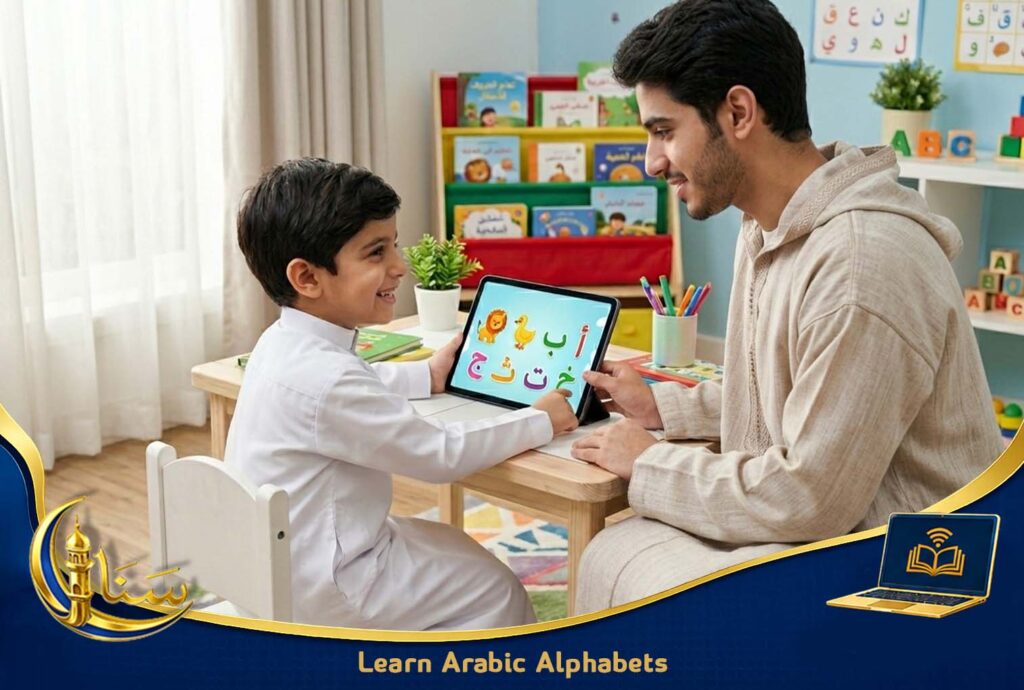
Learn Arabic Online Step by Step is a practical approach for beginners who want to build their Arabic skills gradually and confidently. Arabic may seem challenging at first because it has a different alphabet, pronunciation system, vocabulary structure, and grammar. However, following a clear learning path can make the process much easier and more enjoyable.
Whether your goal is to understand Arabic for religious purposes, communicate with Arabic speakers, improve your reading ability, or develop stronger language skills, starting with the right foundation is essential. Sana Online Quran Academy provides learners with a structured online environment where they can develop their Arabic skills through guided lessons and consistent practice.
The key is not to memorize hundreds of words in a short time. Instead, effective learning combines reading, listening, speaking, writing, vocabulary, and grammar in a balanced way. By progressing through these skills gradually, beginners can build confidence and avoid feeling overwhelmed.
This guide explains how to learn Arabic Online Step by Step, from mastering the Arabic alphabet and learning essential vocabulary to developing listening, speaking, reading, and writing skills. It also shows how to create a realistic study routine and choose learning resources that support long-term progress.
Why Learn Arabic Online Step by Step?

Learning Arabic online can provide flexibility that traditional classroom learning does not always offer. Students can study from home, choose suitable lesson times, review difficult material, and practice at a comfortable pace.
More importantly, online learning can combine several methods instead of relying entirely on textbooks. Depending on the course, students may use live lessons, recorded explanations, reading activities, pronunciation exercises, vocabulary reviews, and speaking practice.
A step-by-step system is particularly useful because Arabic contains several areas that beginners need to develop together. These include:
- Reading Arabic letters and words
- Understanding pronunciation
- Building everyday vocabulary
- Creating simple sentences
- Listening to natural Arabic
- Practicing conversation
- Understanding basic grammar
- Developing writing skills
When these abilities develop gradually, learners are less likely to feel lost. As a result, Learn Arabic Online Step by Step becomes a practical strategy rather than simply an attractive phrase.
Start Your Quran Learning Journey Today with Sana Online Quran Academy
Start your Quran learning journey today with Sana Online Quran Academy, where structured and simple programs are designed for both children and adults. In fact, lessons are delivered step by step by qualified teachers who focus on reading skills, basic Tajweed, and gradual improvement with clear explanations.
In addition, you can study from home with flexible schedules that fit your daily routine. Moreover, regular practice and feedback help you improve steadily. As a result, learning becomes easier, more consistent, and more effective.

Learn Arabic Online Step by Step by Understanding Your Goal
Before beginning an Arabic course, determine why you want to learn the language. Your purpose can influence the vocabulary, skills, and type of Arabic that should receive the most attention.
For example, someone learning Arabic for travel may need practical expressions, directions, greetings, and conversation skills. On the other hand, a student interested in academic study may need stronger reading, writing, and formal-language abilities.
Your goal might involve:
- Everyday communication
- Travel and cultural experiences
- Academic study
- Professional communication
- Reading Arabic books
- Understanding religious texts
- Communicating with Arabic-speaking family members
- Developing a new personal skill
Once your objective is clear, it becomes easier to create realistic expectations. You can then choose learning materials that match your purpose instead of studying random vocabulary that may not be useful.
For this reason, anyone who wants to learn Arabic Online Step by Step should define the intended outcome before choosing a learning routine.
Learn Arabic Online Step by Step Starting With the Alphabet
The Arabic alphabet is the natural starting point for most beginners. Arabic uses 28 basic letters, and many letters change their appearance depending on where they occur within a word.
At first, this writing system may look unfamiliar. Nevertheless, learners can become comfortable with it through repeated exposure and deliberate practice.
Begin by learning the individual letters and their sounds. Once the basic forms become familiar, practice identifying letters when they appear in different positions. Reading isolated letters is useful, but recognizing them inside actual words is even more important.
A simple practice routine can include:
- Reviewing five to seven letters at a time.
- Writing each letter repeatedly.
- Listening carefully to its pronunciation.
- Identifying the letter in simple words.
- Reading short combinations aloud.
- Reviewing previously learned letters before adding new ones.
Avoid rushing through this stage. Strong recognition of the alphabet makes later reading and vocabulary work considerably easier.
Improve Arabic Pronunciation From the Beginning
Pronunciation deserves attention from the first lessons because some Arabic sounds may not exist in a learner’s native language. Trying to correct deeply established pronunciation habits later can be more difficult than practicing correctly from the start.
Listen carefully to each new sound. Afterward, repeat it several times and compare your pronunciation with a reliable model. Recording yourself can also reveal differences that you may not notice while speaking.
In addition, practice similar sounds together. Such exercises help your ear distinguish between them before you begin using them in longer words.
Build a Useful Arabic Vocabulary
After becoming familiar with the alphabet, the next objective should be practical vocabulary. However, memorizing long lists of unrelated words is rarely the most efficient approach.
Instead, organize vocabulary around situations and topics that appear in daily life. Start with greetings, family members, numbers, food, common objects, places, time expressions, and frequently used verbs.
For example, you can create vocabulary groups such as:
- Greetings and introductions
- Family and relationships
- Food and drinks
- Days and months
- Directions and locations
- Common activities
- School and work
- Frequently used verbs
- Question words
- Everyday expressions
Learning words inside short sentences can make them easier to remember. Rather than memorizing a verb alone, practice it in a simple sentence. Consequently, you learn both the word and its practical use.
A vocabulary notebook can also help. Divide each page into the Arabic word, pronunciation, meaning, and an example sentence. Regular reviews will keep previously learned words active.
Learn Arabic Online Step by Step Through Simple Sentences
Vocabulary becomes much more useful when learners understand how words work together. Therefore, beginners should move from individual words to short sentences as soon as they have enough basic vocabulary.
Simple structures can include introductions, descriptions, questions, and everyday statements. For example, learners can practice saying their name, describing where they live, explaining what they like, or asking for basic information.
At this stage, grammar should support communication rather than become an obstacle. You do not need to understand every grammatical rule before producing your first sentences.
Instead, follow a practical sequence:
- Learn one structure.
- Study several examples.
- Repeat the pattern aloud.
- Create your own sentences.
- Use the structure in a short conversation.
- Review it again later.
This practical method makes Learn Arabic Online Step by Step more manageable because each new grammar concept has a clear purpose.
Understand the Difference Between MSA and Arabic Dialects
One important decision for beginners involves choosing the type of Arabic they want to study. Modern Standard Arabic, often called MSA, is used in formal communication, education, news, publications, and many written contexts. Arabic dialects, however, are commonly used in everyday conversations and differ from region to region. Neither option is automatically right for every learner.
If your primary objective is reading, formal communication, academic study, or accessing written material, MSA can provide a useful foundation. Conversely, someone preparing for everyday conversations in a particular country may eventually need the local dialect.
You do not necessarily need to master every variety. First, identify your main purpose. Then choose a learning direction that supports it. A clear objective prevents beginners from jumping between several dialects before developing basic confidence.
Learn Arabic Online Step by Step With Listening Practice
Listening is one of the most important skills in language learning because understanding written Arabic does not automatically mean that you can understand spoken Arabic.
Begin with short and relatively slow audio. Listening to the same recording several times is usually more useful than constantly searching for new material.
During the first listening, focus on the general meaning. A second attempt can help you identify familiar words. On the third round, pay attention to pronunciation, sentence patterns, and expressions.
You can also use:
- Beginner Arabic dialogues
- Short educational videos
- Simple podcasts
- Children’s stories
- Arabic news designed for learners
- Recorded conversations
- Audio from structured lessons
Do not become frustrated when you fail to understand every word. Native speakers naturally connect sounds and speak at different speeds. With regular exposure, your ability to recognize familiar patterns will gradually improve.
Learn Arabic Online Step by Step With Speaking Practice
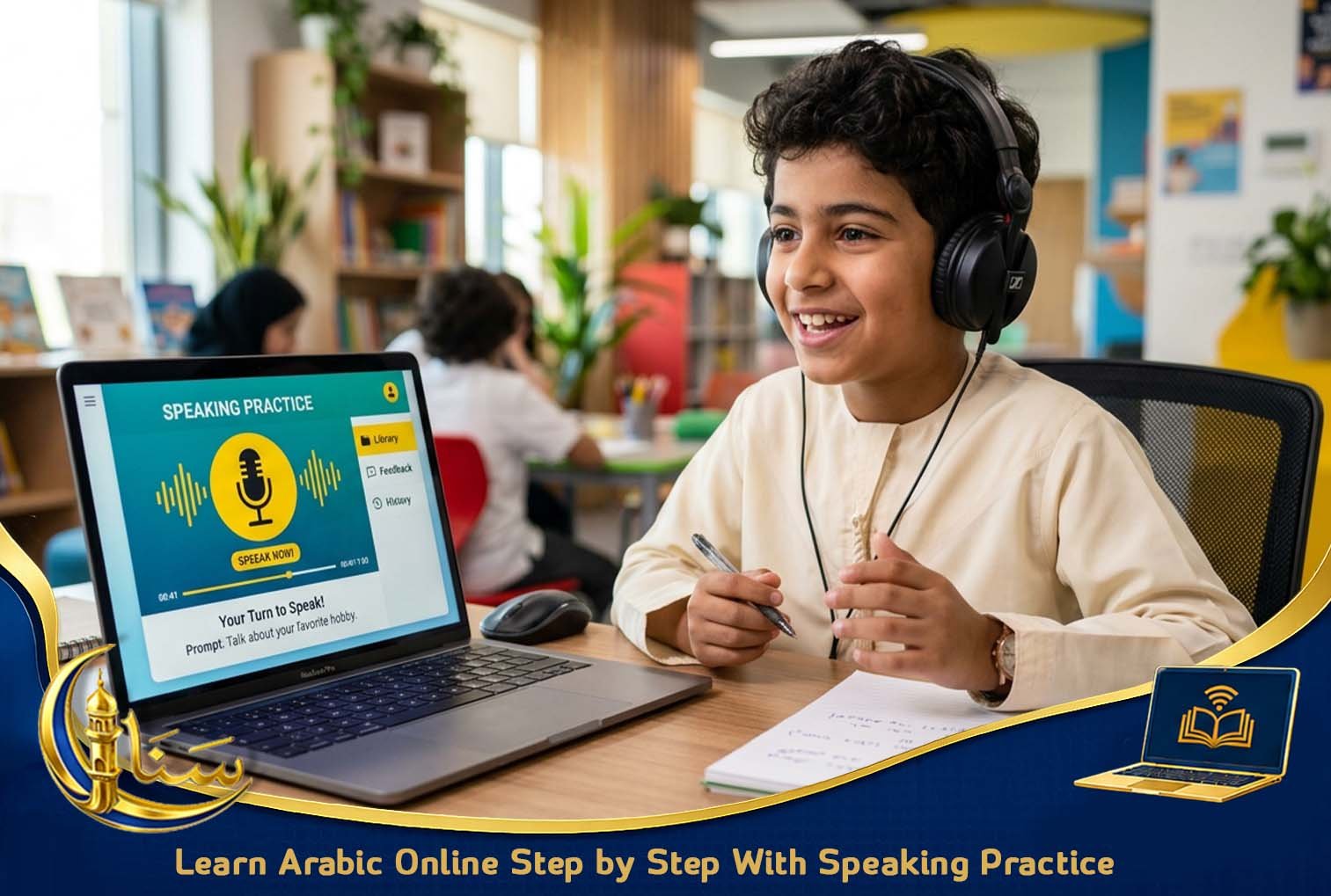
Speaking requires active use, not just passive exposure. A learner may understand dozens of Arabic sentences but still hesitate when asked a simple question.
To avoid this problem, introduce speaking practice early.
Begin with short responses. Describe your daily routine, introduce yourself, name objects around you, or answer basic questions. As your vocabulary grows, increase the length and complexity of your responses.
Another useful method is shadowing. Listen to a short sentence and repeat it immediately while trying to copy the speaker’s rhythm and pronunciation.
Structured conversations can provide another opportunity to improve. A teacher can ask questions, correct mistakes, and introduce alternative ways of expressing the same idea.
Most importantly, do not wait until your Arabic is perfect before speaking. Mistakes are part of the learning process.
Choose a Structured Online Arabic Learning Program
Self-study can be useful, but many beginners eventually need structure and feedback. A well-organized online program can provide a learning sequence that prevents students from moving randomly between unrelated topics.
When comparing an online Arabic program, consider:
- Teacher experience
- Lesson structure
- Course objectives
- Speaking opportunities
- Reading and writing practice
- Feedback and correction
- Schedule flexibility
- Student support
- Progress evaluation
- Availability of suitable beginner material
The quality of the learning process matters more than the number of lessons advertised. A large library of content is not automatically better if students do not know what to study next.
For learners who prefer guided instruction, Sana Online Quran Academy can be considered as part of the search for a structured online learning environment. The important point is to select a program whose teaching approach matches your goals and current level.
Why Sana Online Quran Academy Can Support a Structured Learning Journey?
Sana Online Quran Academy can be relevant for learners who want organized online education connected to Arabic and Quranic learning. A structured environment can help students maintain a routine rather than studying only when they have free time.
For beginners, consistency is especially important. A learner may understand a lesson today but forget much of it after several weeks without review.
A guided program can help create continuity between lessons. It may also give learners opportunities to ask questions, receive corrections, and understand which areas require additional practice.
When evaluating Sana Online Quran Academy, learners should consider the specific course content, teacher approach, lesson format, schedule, and learning objectives before enrolling.
The right program should not simply provide lessons. Instead, it should help learners understand what they are studying, practice it, review it, and gradually use it with greater confidence.
Create a Daily Arabic Study Routine
One of the strongest habits for language learners is regular practice. Studying for several hours once a week may feel productive, but shorter and more frequent sessions can make review easier.
A beginner can start with a 40–50 minute routine:
- 10 minutes reviewing vocabulary
- 10 minutes reading Arabic
- 10 minutes listening
- 10 minutes speaking
- 5–10 minutes reviewing grammar or writing
You can adjust this schedule according to your available time. Even a shorter routine can be useful when it is maintained consistently.
For example, someone with only 20 minutes available might spend five minutes reviewing vocabulary, five minutes reading, five minutes listening, and five minutes speaking.
The objective is not to create a perfect schedule. Rather, the goal is to create a routine that can realistically continue for months.
Learn Arabic Online Step by Step With Spaced Review
Forgetting words is normal. In fact, memory becomes stronger when learners repeatedly retrieve information instead of simply rereading it.
Spaced review allows you to revisit vocabulary and grammar at increasing intervals. New words might be reviewed on the same day, then again after a day, several days later, and again the following week.
Flashcards can support this process, but they should not become the entire learning method. Whenever possible, connect new words to sentences, conversations, images, and real situations.
Another useful technique is active recall. Close your notes and try to remember the Arabic word without looking at the answer.
This approach requires more effort than rereading. However, that effort can make the information easier to retrieve later.
Improve Reading and Writing Together
Reading and writing reinforce one another. When you read Arabic regularly, you become more familiar with spelling, word patterns, sentence structures, and common expressions.
Begin with short texts that match your level. Do not immediately choose difficult books simply because they are written in Arabic.
Suitable beginner material can include:
- Short dialogues
- Simple stories
- Children’s reading material
- Beginner exercises
- Short descriptions
- Basic articles
For writing practice, start with simple sentences. Write about your day, your hobbies, your family, or your plans.
After writing, review your work for spelling and sentence structure. If possible, receive feedback from a qualified teacher so that repeated mistakes do not become habits.
Learn Arabic Online Step by Step With Technology
Technology can make language learning more flexible, provided that learners use digital tools intentionally.
Vocabulary applications can help with memorization. Audio platforms can provide listening practice. Video lessons can demonstrate pronunciation and grammar. Online classrooms can add direct interaction with teachers.
However, having too many tools can become counterproductive. Beginners sometimes download multiple applications and spend more time organizing resources than actually learning.
Choose a small collection of tools that serve clear purposes. For instance, one resource may support vocabulary, another may provide listening practice, and an online course may provide structured instruction.
The best technology is not the one with the most features. Instead, it is the one you can use consistently.
Stay Motivated During Your Arabic Learning Journey
Motivation naturally changes over time. At the beginning, learning new words can feel exciting. Later, progress may appear slower, especially when grammar becomes more complex.
Instead of relying entirely on motivation, build habits that continue even when enthusiasm decreases.
Set small goals such as:
- Learning a specific number of useful words
- Reading a short Arabic text
- Holding a brief conversation
- Understanding a beginner audio recording
- Writing a short paragraph
- Completing a particular lesson sequence
Celebrate meaningful progress rather than expecting immediate fluency.
You can also connect Arabic to activities you already enjoy. If you like stories, read simple Arabic stories. If you enjoy music, listen to Arabic songs and identify familiar expressions. For those interested in culture, explore Arabic content related to that interest.
As a result, Arabic becomes part of your routine rather than another task on your schedule.
How Can Sana Online Quran Academy Fit Into a Learning Routine?

Sana Online Quran Academy can be part of a learner’s broader educational routine when the course selected matches the student’s needs and objectives.
A structured online lesson can provide accountability. Knowing that a lesson is scheduled can make it easier to maintain regular study. In addition, teacher feedback can identify pronunciation or reading problems that may be difficult to recognize independently.
Learners should nevertheless continue practicing between lessons. An online class works best when it is supported by personal review.
For example, after a lesson, a student can spend the following days reviewing vocabulary, repeating pronunciation exercises, rereading the lesson material, and creating new sentences.
This combination of guided learning and independent practice can make progress more consistent.
Measure Your Progress Without Obsessing Over Fluency
Progress should be measured through practical abilities rather than simply counting completed lessons.
Ask yourself questions such as:
- Can I recognize the Arabic alphabet quickly?
- Can I read simple words?
- Can I introduce myself?
- Can I understand basic questions?
- Can I recognize familiar vocabulary in audio?
- Can I write short sentences?
- Can I maintain a simple conversation?
- Can I understand the main idea of a beginner text?
These questions provide a clearer picture of your development.
A learner may not feel fluent after several months, yet still have made substantial progress. Being able to read a paragraph that once looked completely unfamiliar is meaningful progress. If you are still developing your reading foundation, practicing the Arabic Alphabet for Beginners can help you strengthen this essential skill.
Therefore, Learn Arabic Online Step by Step should be viewed as a gradual development process rather than a race toward a fixed deadline.
Common Mistakes Beginners Should Avoid
Several habits can slow down Arabic learning. Fortunately, most of them are easy to recognize.
One common mistake is trying to learn too many words without reviewing them. Another is studying grammar without applying it in real sentences. Some learners also spend months reading but rarely speak.
Other problems include:
- Changing learning methods every few days
- Avoiding pronunciation practice
- Studying irregularly
- Comparing your progress with advanced learners
- Using materials far above your level
- Memorizing vocabulary without context
- Ignoring previously learned material
- Waiting for perfect Arabic before speaking
A better strategy is to keep your learning system simple. Study regularly, review older material, practice all four major skills, and adjust your routine when you discover a weakness. In addition, understanding Common Problems in Online Quran Classes can help learners recognize issues that may also affect their experience with online language education.
Learn Arabic Online Step by Step Through Cultural Exposure
Language cannot be completely separated from culture. Expressions, greetings, humor, social conventions, and communication styles often make more sense when learners understand the cultural context behind them.
Explore Arabic content that interests you. Watch beginner-friendly programs, listen to conversations, read simple cultural articles, and learn about different Arabic-speaking communities.
Keep in mind that Arabic-speaking countries are not culturally identical. Expressions and pronunciation can vary significantly between regions.
This variety is not a problem. Instead, it gives learners a broader understanding of the language and helps them recognize why the same idea may be expressed differently in different communities.
Cultural exposure can also make learning more enjoyable. When students understand the context behind what they are studying, vocabulary becomes connected to real experiences rather than isolated definitions. For learners who also want to develop their Quranic learning alongside Arabic, Learn Quran Online With Female Teachers may be another learning option to consider.
Build Confidence Through Realistic Practice
Confidence develops through repeated successful experiences. Therefore, beginners should choose speaking and reading tasks that are challenging but achievable.
For example, instead of attempting a ten-minute conversation immediately, start with a two-minute introduction. Once that becomes comfortable, add questions and responses.
Similarly, begin reading with a short paragraph. Later, move to longer texts.
This gradual increase in difficulty is one of the most practical principles behind Learn Arabic Online Step by Step. Each stage prepares you for the next one without forcing you to make a large jump.
Confidence also improves when mistakes are treated as useful feedback. Every corrected pronunciation issue or grammar error gives you information that can improve your future performance.
What to Look for Before Choosing Sana Online Quran Academy?
Sana Online Quran Academy should be evaluated according to the actual needs of the learner rather than the name of the institution alone.
Before committing to a program, review the available course information and ask practical questions about the learning experience. It can also be useful to understand how to choose the Best Online Arabic Academy before selecting an online program.
Consider:
- Who teaches the course?
- What level is the course designed for?
- How are students assessed?
- Are lessons live, recorded, or both?
- How much speaking practice is included?
- How are mistakes corrected?
- How flexible is the schedule?
- What happens if a student misses a lesson?
- How is progress communicated?
A trial lesson, when available, can also be useful because descriptions do not always show what a real class feels like.
The strongest choice is usually the program that offers a realistic match between your goals, schedule, level, and preferred learning style.
How Long Does It Take to Learn Arabic?
There is no single timeline that applies to every learner. The answer depends on several factors, including your native language, previous language-learning experience, weekly study time, exposure to Arabic, and the level of proficiency you want to reach.
Someone studying for 20 minutes a day will naturally progress differently from someone practicing for two hours.
Your goal also matters. Learning enough Arabic to introduce yourself is very different from developing advanced reading and speaking skills.
Rather than asking only how many months fluency will require, establish measurable milestones. You might aim to read basic words first, then understand simple conversations, and later communicate comfortably in familiar situations.
That approach makes the learning process more realistic and reduces unnecessary pressure.
Learn Arabic Online Step by Step and Make Progress Sustainable

The most successful learners are not necessarily those who study the longest each day. Often, they are the people who create a routine they can maintain.
A sustainable plan should fit your real life. If you work full-time, choose a schedule that does not depend on having several free hours every evening. If you are a student, adapt your study sessions around classes and assignments.
Keep your daily objectives manageable. A focused 30-minute session can be more productive than a long session filled with distractions.
Over time, those small sessions accumulate. Vocabulary expands, pronunciation becomes more natural, reading becomes faster, and speaking requires less hesitation.
That is why consistency remains one of the most important principles for anyone who wants to learn Arabic Online Step by Step. If Quran learning is also part of your goals, exploring Why Many Families Prefer Female Quran Tutors can provide additional context when considering online learning options.
Frequently Asked Questions: Learn Arabic Online Step by Step
Find clear answers to common questions about learning Arabic gradually, effectively, and with confidence.
1. Can I learn Arabic if I have never studied another foreign language?
Yes. Previous language-learning experience can be helpful, but it is not required. Beginners can start with the alphabet, pronunciation, basic vocabulary, and simple sentences before gradually moving toward more advanced skills.
2. Should I study Arabic alone or with a teacher?
Both approaches can work, depending on your goals and learning style. Self-study offers flexibility, while teacher-led learning can provide correction, accountability, structured progression, and opportunities for direct communication.
3. How can I practice Arabic when nobody around me speaks it?
You can create an Arabic environment through online conversations, audio resources, speaking exercises, recorded dialogues, and structured lessons. Recording yourself and repeating native-speaker sentences can also provide useful independent practice.
4. Is it possible to lose Arabic skills after becoming good at the language?
Yes. Like any language, Arabic skills can decline when they are not used for a long period. Regular reading, listening, speaking, or writing can help maintain the abilities you have developed.
In conclusion, Learn Arabic Online Step by Step is not about memorizing everything at once. Instead, it is about creating a logical progression from the alphabet and pronunciation to vocabulary, sentences, listening, speaking, reading, and writing.
Beginners should start with realistic goals and gradually increase the difficulty of their practice. Regular review is essential, while meaningful exposure to Arabic can make the learning experience more natural and enjoyable.
A structured program can also make the journey easier by providing direction and feedback. For learners considering guided online education, Sana Online Quran Academy can be evaluated according to its available courses, teaching approach, scheduling options, and suitability for individual goals.
Ultimately, the best learning plan is one that you can maintain. Study consistently, practice actively, review what you have already learned, and give yourself enough time to develop genuine confidence.
With patience and a clear routine, learning Arabic can become a rewarding long-term skill rather than an overwhelming challenge.