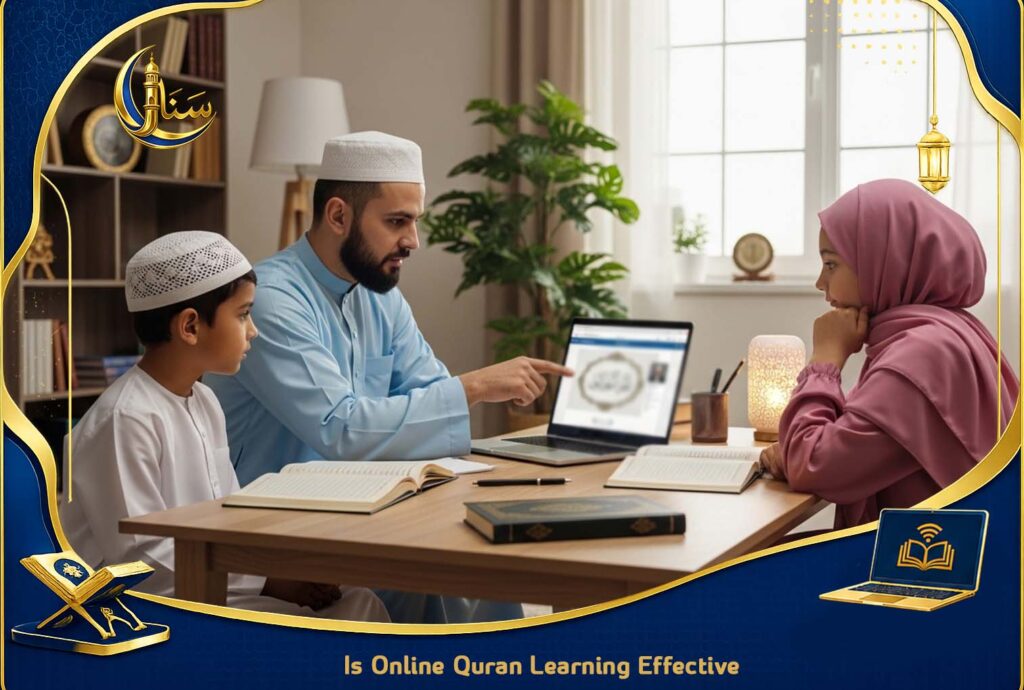
When a parent hears that their child will sit alone in front of a screen with a teacher in another country, the first question is a fair one: is it safe? Online Quran classes can be a good, safe way for children to learn, but safety does not come automatically. It depends on the academy, the teacher and the way you set things up at home. This checklist helps parents ask the right questions and put sensible habits in place.
1. Know exactly who the teacher is
You should know your child’s teacher by name, see their background and understand how they were trained. Be careful with any academy that cannot tell you who will teach your child until after you pay. Ask what the teacher studied, how long they have taught children, and what checks the academy carries out before a teacher starts. An honest academy will answer these questions directly. You can see our teachers’ profiles on the teachers page.
2. Use the trial lesson to watch, not just to try
A free trial is the best safety tool you have. Sit with your child for the whole session. Watch how the teacher speaks to your child, whether the lesson stays on the Quran and the plan, and whether your child seems comfortable. If anything feels wrong, do not continue. We offer 2 free trial sessions so you can do exactly this.
3. Keep the lesson in a shared space
For younger children, sit in the same room or leave the door open. Place the device in a shared area such as a living room or study, not in a bedroom. As children grow older, you can step back a little, but stay close enough to hear and know what is happening.
4. Check how the lesson runs
- Is the class held on a recognised video platform rather than a private chat?
- Is the lesson focused on the Quran and the agreed plan?
- Are sessions at fixed times that you know about in advance?
Our sessions come with recordings, which lets you and your child revisit a lesson and lets you see how the class runs.
5. Keep all contact with the academy, not with the teacher privately
A good rule is that parents communicate with the academy for scheduling and questions, and children learn only in the arranged sessions. Your child should not be messaging the teacher privately on social media. If an academy encourages private contact outside lessons, ask why. You can contact us at any time on WhatsApp for questions about scheduling or progress.
6. Consider a female teacher if you prefer
Many families prefer a female teacher for their daughters, and some for younger sons. This is a common request and a reasonable one. Read why many parents choose this in our post on why families prefer female Quran tutors.
7. Protect your payment and personal details
- Be wary of any academy that asks for payment before telling you the price and what is included.
- Never share card details by message. Use a clear payment method that gives you a receipt.
- Check whether the academy has a real website, a contact page and visible reviews.
8. Talk to your child
Tell your child that they can always tell you if something in a lesson made them uncomfortable, and that they will never be in trouble for it. Ask how the lesson went after each session. Children who feel comfortable talking to their parents are the best protection of all.
9. Look at the whole picture, not only one factor
Safety is part of choosing a good academy, not separate from it. Alongside the checklist above, look at how progress is reported, how clearly prices are explained and whether the lessons are well structured. Our guide on how to choose an academy and our post on common problems in online Quran classes cover these points in more detail.
How we run our classes
Our teachers are native Arabic speakers, trained at Al-Azhar and fluent in English. Every new student gets 2 free trial sessions, session recordings are available, progress reports arrive monthly, and you can reach us on WhatsApp. You can see how the process works from first trial to regular lessons on our how it works page.
Frequently asked questions
Are online Quran classes safe for children?
They can be, when the academy is transparent about its teachers, the lesson is held in a shared space at home, and parents stay involved. Use the checklist above and the trial lesson to decide.
Should a parent stay in the room?
For young children, yes, or at least nearby. For older children, stay close enough to hear and check in regularly.
Can my child have a female teacher?
Yes. You can ask for a female teacher when you book your trial.
Are lessons recorded?
Our sessions can be revisited through session recordings. Ask any academy you are considering whether it records lessons and who can access them.
What should I do if my child feels uncomfortable?
Stop the lesson, talk with your child, and contact the academy. A good academy will listen and act. If you are not satisfied with the response, change academies.
If you would like to see a class first, contact us to book your free trial sessions.